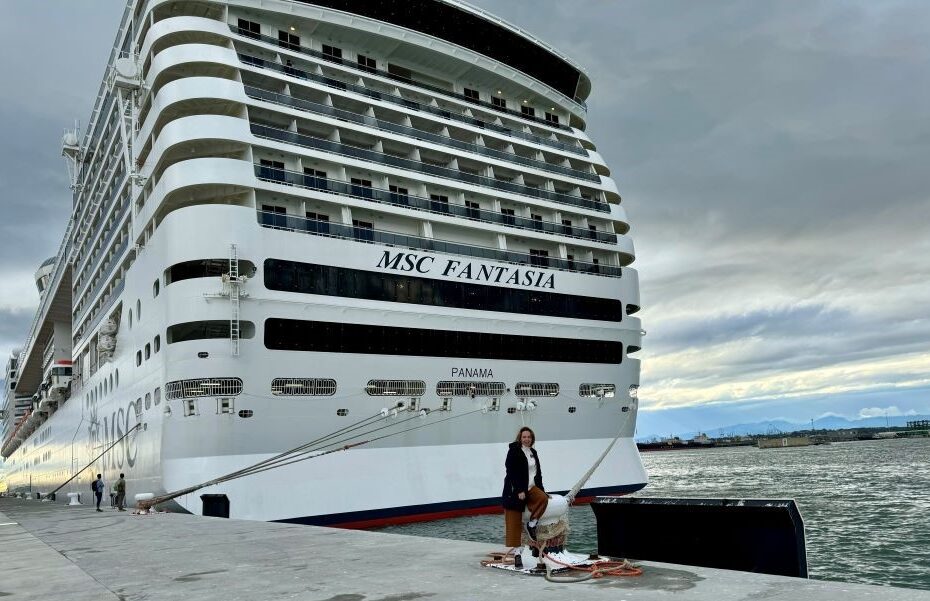
We travelled as two families in October 2024 — seven people in total, including children aged 9 and 10 and our 18-year-old daughter — on an 8-day MSC Fantasia from Rome to Naples. What made this trip work better than almost any holiday we’ve taken together was something we hadn’t fully anticipated: the freedom. On a cruise ship, everyone can do exactly what they want. The kids went to the pool, the adults explored ports at their own pace, our daughter had her own evenings, and we came together for dinners and shows. Nobody had to compromise on everything, all the time.
This is the full account of the trip — every port, every practical detail, and the complete cost breakdown including getting there from Riga. We made one significant planning mistake that added unnecessary complications, and we’ll cover that too so you don’t repeat it.
Trip at Glance
- Ship: MSC Fantasia
- Route: Rome → Genoa → Marseille → Valencia → Tarragona → sea day → Genoa → Naples
- Duration: 8 days, 6 ports
- Cabin: Balcony cabin
- Cruise fare: €1,888 for three adults (two of us + our 18-year-old daughter, one cabin)
- Travel month: October
- Group: 7 people — 2 families, children aged 9, 10, and 18
- Departed from: Riga, Latvia
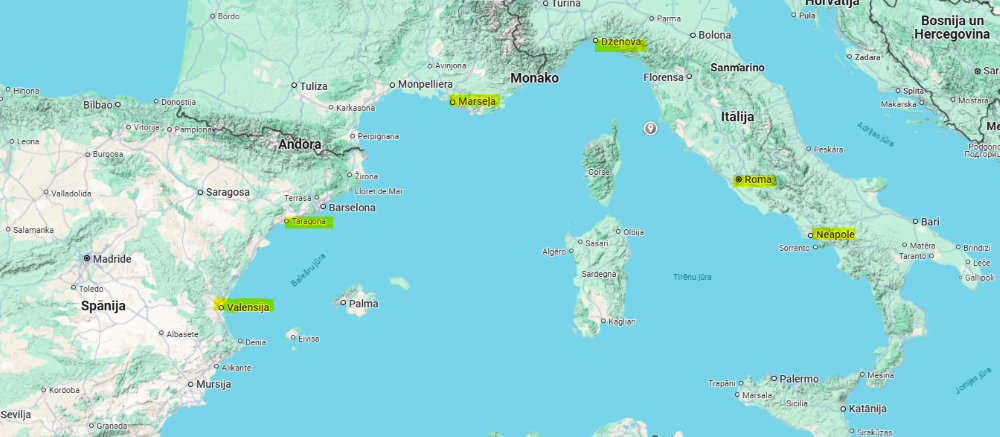
Getting There: From Riga to Rome
We travelled from Riga to the embarkation port in Civitavecchia — and the full journey involved more logistics than the cruise itself. Here’s what the route looked like:
Bus from Riga to Vilnius (€10 per person), then a flight from Vilnius to Rome (€40 per person). From Rome, a taxi to Civitavecchia port cost €170 for the group — roughly one hour’s drive. We arrived three days early and rented an apartment outside Rome’s city centre for seven people at €777 for three nights, which kept costs manageable while giving us proper time to see the city.
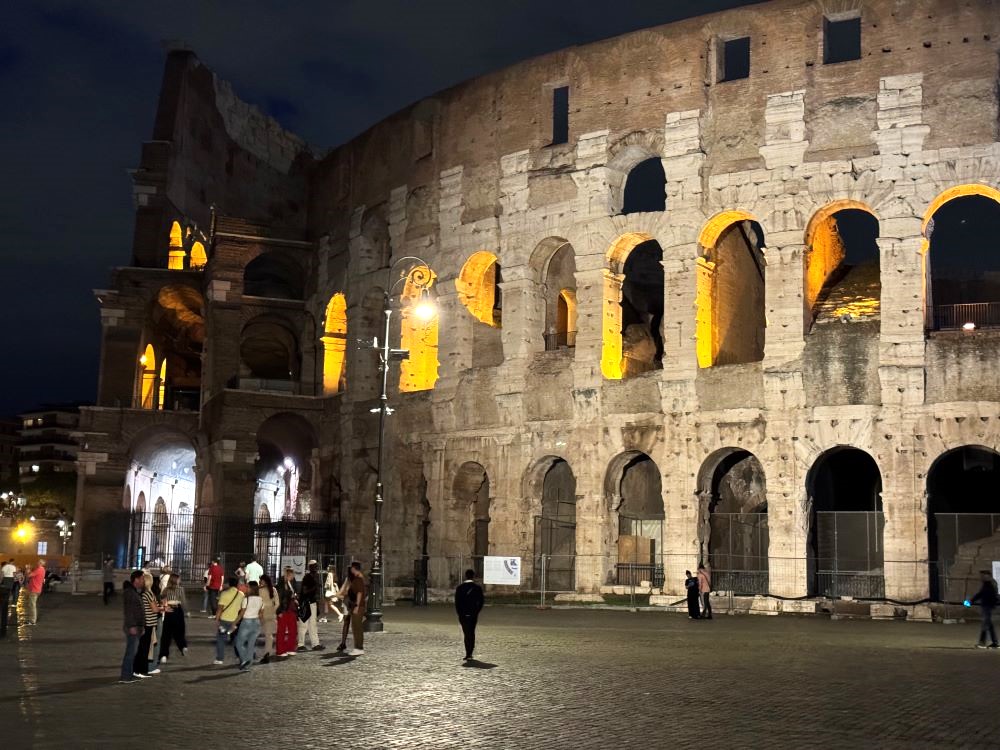
Rome before the cruise was the right call. The Colosseum, the Appian Way, the Vatican area — three days isn’t enough to see everything, but it’s enough to feel like you’ve properly been there rather than just passed through. We’d strongly recommend building in at least two days before boarding rather than arriving the same day.
One important note: Civitavecchia is not Rome — it’s one of the European cruise ports that need a real transfer to the city, roughly an hour’s drive away with no shortcut. Budget the time and cost into your departure day.
Boarding: Smooth, Fast, Well-Organised
The boarding process at Civitavecchia was one of the most efficient we’ve experienced. Pre-registration online means the port check-in takes about 15 minutes from arrival to stepping aboard. Large luggage is handled separately — you drop bags at check-in and find them outside your cabin — which makes boarding with a large group of seven people considerably less chaotic than it sounds.
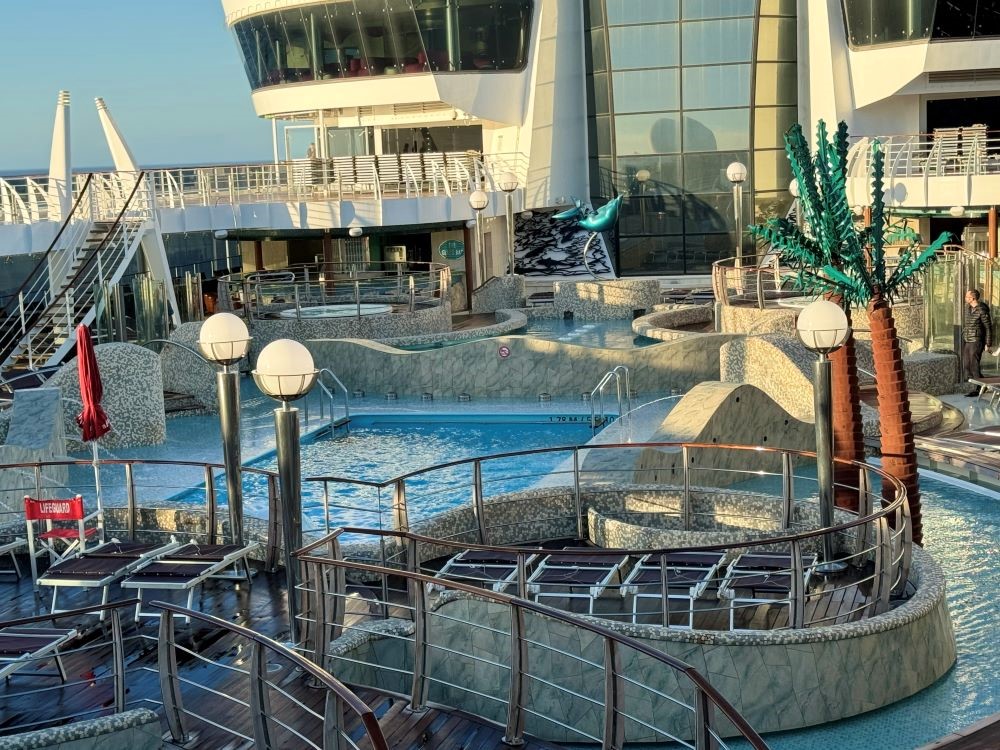
The MSC Fantasia was renovated in 2023 and accommodates around 4,000 passengers — a mid-generation ship that sits between MSC’s newest and oldest vessels in both feel and price. Our first impression was of a well-maintained ship that shows its age in places but runs smoothly. The balcony cabin was ready by early afternoon and from the moment we stepped onto the private terrace and saw the port view, the upgrade justified itself.
Port-by-Port: What We Did and What We’d Recommend
Genoa, Italy — Days 2 and 7
Genoa appears twice on the itinerary, which initially seemed like a missed opportunity for a different destination. In practice, having two visits to the same city is genuinely useful — on day 2 we got our bearings and explored the old town, and on day 7 we knew exactly where to go and made the most of the time.
The Genoa Aquarium was the highlight of the port for our group, particularly for the younger children. At €31 per person it’s not cheap, but it’s one of the largest aquariums in Europe and the ray pool — where the children could touch gentle rays as they glided past — was the moment that our 9 and 10-year-olds talked about for the rest of the trip. For a family sailing, it’s worth the cost and worth arriving early before the crowds build.
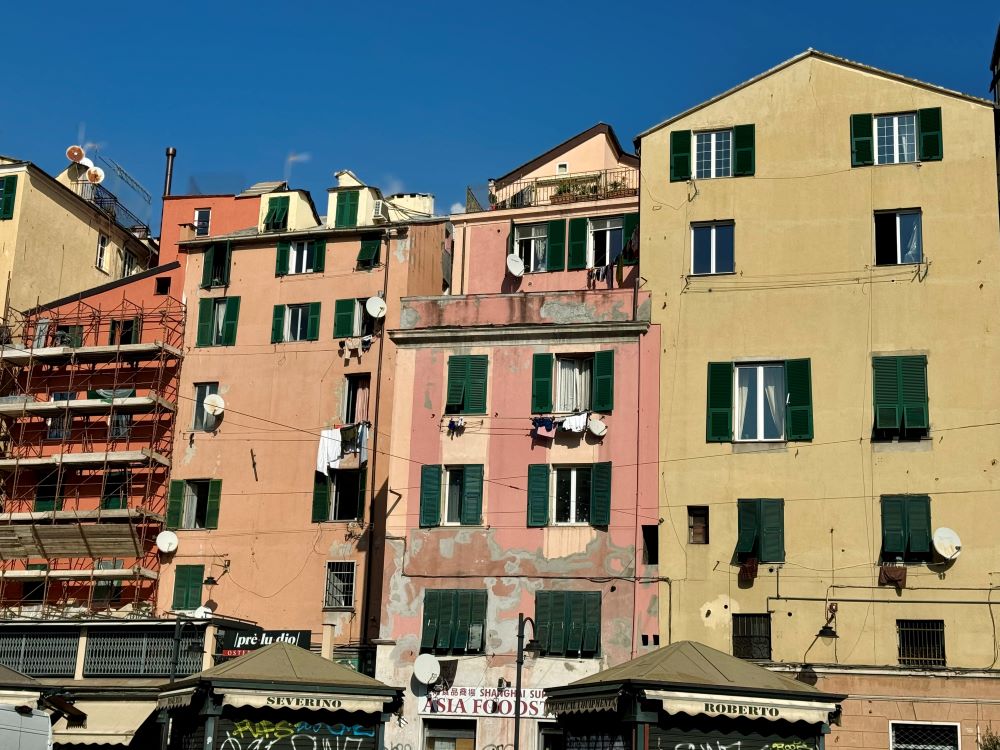
The old town caruggi — the narrow medieval alleyways behind the port — are free, atmospheric, and easy to explore independently. Laundry hanging between buildings, locals going about their day, small bakeries and coffee bars at every turn. Best explored in the morning before it gets busy.
Marseille, France — Day 3 (our favourite port)
Marseille was the standout port of the entire sailing — and also the one where we felt the time constraint most painfully. The ship offers a paid shuttle directly into the city centre for €17 per person; the city bus from the port exit costs €1.80. We took the city bus. It drops you near the Vieux-Port and takes slightly longer, but saves €30 for two people on a round trip — money better spent at a harbourside café.
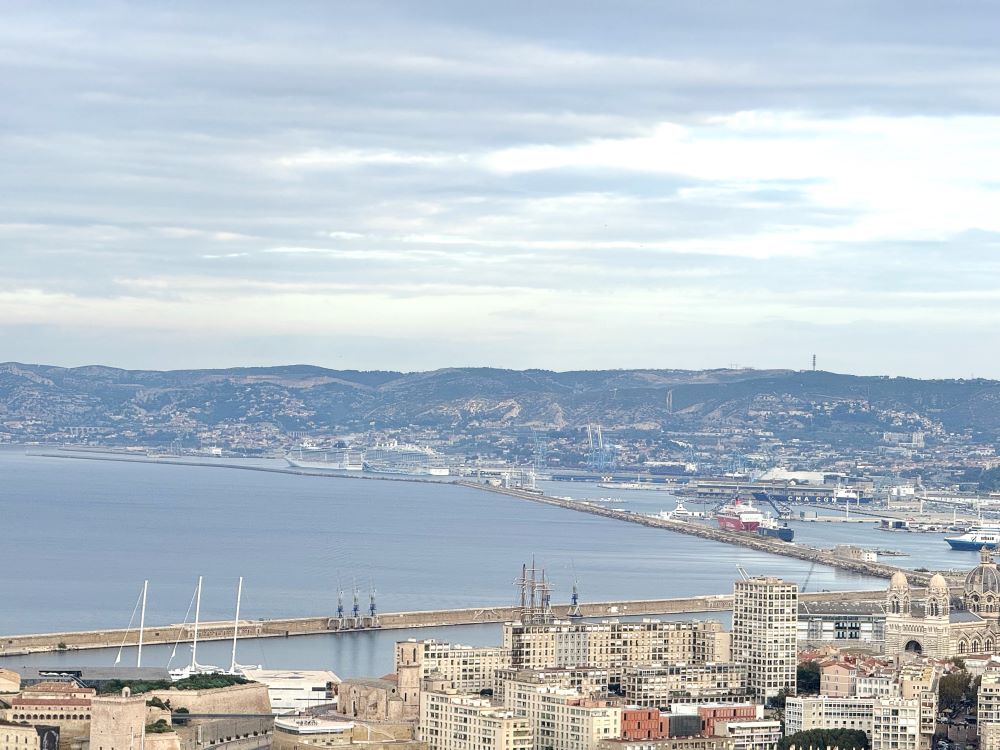
The Vieux-Port is the heart of the city: fishing boats, pleasure craft, waterfront restaurants, and the unmistakable atmosphere of a proper French port city. From there, the climb up to Notre-Dame de la Garde cathedral is steep but worth every step — the panoramic views across Marseille’s rooftops to the harbour, with the cruise ship looking toy-sized below, is one of those images that stays with you. The cathedral itself is impressive Romanesque-Byzantine architecture, completely free to enter.
Our honest frustration: we didn’t have enough time. Marseille deserves two days at minimum. The city has neighbourhoods, markets, and coastal areas we didn’t get to see. If the MSC Fantasia itinerary ever extends the Marseille stop, book that sailing.
Valencia, Spain — Day 4
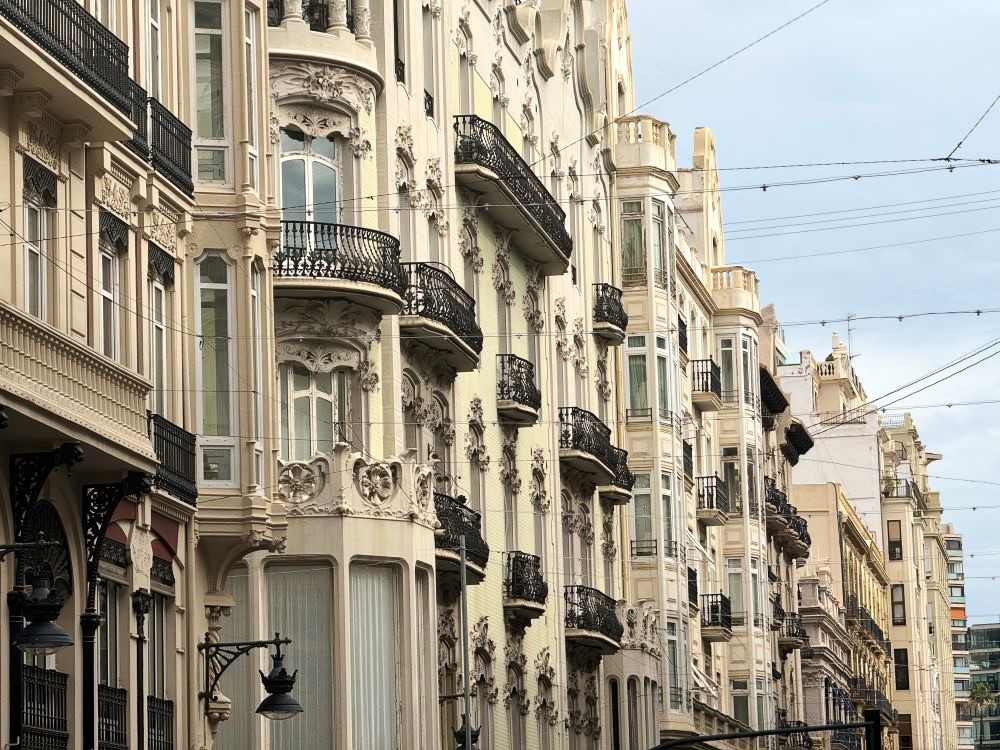
Valencia is walkable from the port and immediately impressive. The City of Arts and Sciences — Santiago Calatrava’s futuristic complex of museums, an oceanarium, and an opera house — is unlike anything else on the itinerary and worth building the day around. The old town, the Central Market (one of the largest covered markets in Europe), and the city parks fill out the rest of the day comfortably.
October in Valencia means warm sunshine without the crushing summer heat — ideal for walking. We covered the City of Arts and Sciences in the morning and the old town in the afternoon without feeling rushed, which isn’t always possible on port days.
Tarragona, Spain — Day 5
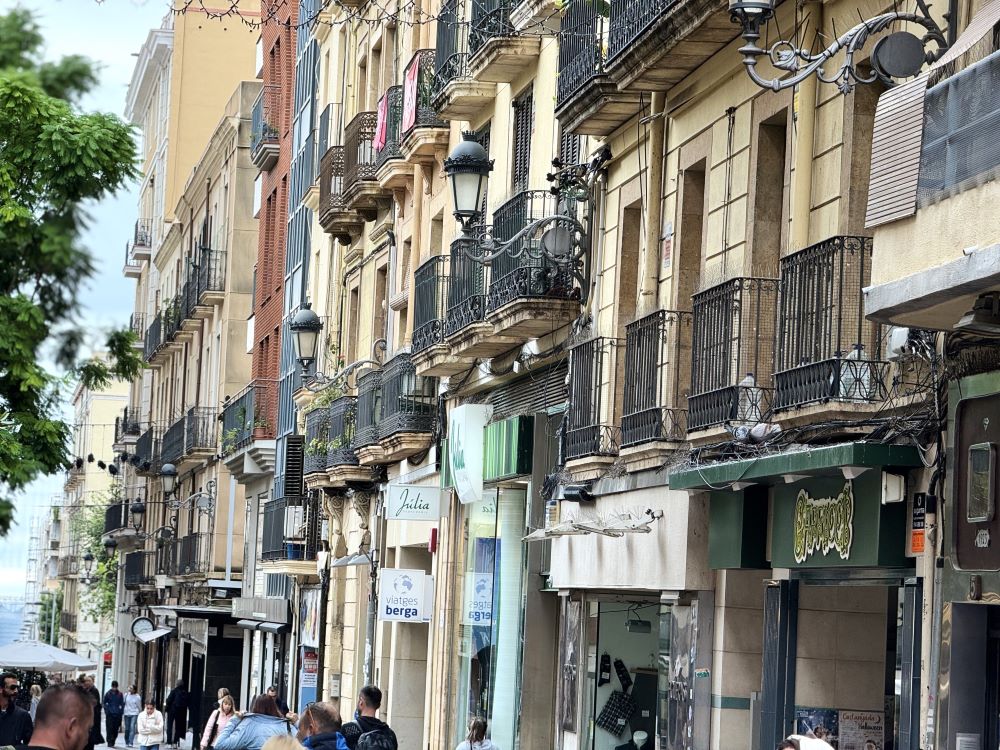
It rained in Tarragona. This small Spanish city’s charms held up regardless. The Roman amphitheatre overlooking the beach is one of those genuinely surprising historical sites — you turn a corner and there’s a 2,000-year-old arena with the Mediterranean directly behind it. The compact size of the city means you can cover the main Roman sites, the medieval streets, and the harbour area in a half-day even in wet weather.
Tarragona doesn’t need a ship excursion — everything is walkable from the port within 15–20 minutes, making it one of the easiest walk-off ports in Europe.
Naples, Italy — Day 8 (disembarkation)
Naples is the final port and disembarkation point. We spent one night in a Naples apartment (€160 for seven people) before travelling onward. The city rewards the extra time — the historic centre, the street food, the energy of the place — but disembarkation day itself is logistically focused. Large bags left outside the cabin the night before are waiting at the terminal; our assigned deck slot had us clear of the port within two hours.
From Naples we took the train to Rome (€14 per person), then the airport train (€8), and flew home. Straightforward and well-connected.

Complete Trip Cost Breakdown: From Riga to the Mediterranean and Back
Here is every cost for our trip — prices are for two adults unless noted otherwise, with group costs (taxi, apartments) shown as totals shared across all seven of us. These are real prices from our October 2024 sailing.
| Cost item | Price | Notes |
|---|---|---|
| Bus Riga → Vilnius | €10 per person | Cheaper than flying from Riga direct |
| Flight Vilnius → Rome | €40 per person | Book early for this price |
| Taxi Rome → Civitavecchia port | €170 total | ~1 hour, shared across group of 7 |
| Rome apartment (3 nights, 7 people) | €777 total | Outside city centre — better value |
| MSC Fantasia balcony cabin (7 nights, 3 adults) | €1,888 | October fare — lower than summer |
| Genoa Aquarium | €31 per person | Booked independently — cheaper than ship excursion |
| Marseille city bus (return) | €1.80 per person | Ship shuttle costs €17 — save €30 per couple |
| All other ports | €0 transport | All walkable from port |
| Naples apartment (1 night, 7 people) | €160 total | Worth staying an extra night |
| Train Naples → Rome | €14 per person | Fast and reliable |
| Train Rome → airport | €8 per person | |
| Return flights | €182 per person | ⚠️ See planning mistake below |
| Total per person (2 adults, excluding cruise fare) | ~€450–500 | Transport + accommodation before/after |
Total per person came to roughly €450–500 on top of the fare — plus the usual onboard extras that every cruise adds: gratuities, drinks, Wi-Fi.
The Planning Mistake We Made — and How to Avoid It
Book your return flights at the same time as your outbound travel. We didn’t, hoping prices would drop. They didn’t — they went up, and by the time we booked the return, the only affordable option routed us through Helsinki, adding an unnecessary overnight airport stay and significantly more travel time than a direct route would have required.
The lesson is straightforward: for a cruise with fixed embarkation and disembarkation dates, you know exactly when you need to fly home. There is no benefit to waiting. Book both directions simultaneously, accept the price, and save yourself the stress of watching return fares climb while your departure date approaches.
Practical Tips: What We’d Do Differently
Take the city bus in Marseille, not the ship shuttle
€1.80 per person versus €17. The city bus drops you near the Vieux-Port, runs regularly, and the journey takes about 20 minutes. The free shuttle takes you to the port exit — from there you still need transport into the centre. The city bus is the better option on every measure except convenience of boarding from the ship.
Book return flights at the same time as outbound
As above — don’t wait. The dates are fixed. Book both directions together.
Arrive in Rome two to three days early
Civitavecchia is an hour from Rome. If you’re flying into Rome for the cruise, build in proper time to see the city rather than treating it as a transit point. We had three days and it still felt short.
For Genoa — go to the aquarium early
It gets busy by mid-morning. Arriving when it opens gives you the ray pool and the main exhibits at a fraction of the crowd. Buy tickets online in advance if possible.
All ports except Genoa aquarium are free to explore
Every port on this itinerary is walkable from the dock or easily reached by local transport. You don’t need ship excursions for any of them. Marseille’s city bus is the only transport cost worth mentioning — everything else is on foot.
Frequently Asked Questions
How far is Civitavecchia from Rome?
About 80 kilometres — roughly one hour by car or taxi. There is also a direct train from Roma Termini to Civitavecchia that takes around 1 hour 20 minutes and costs significantly less than a taxi for individuals. For a large group, a shared taxi or minivan works out cheaper per person. Build at least 2 hours of buffer time on embarkation day to account for any delays.
How much does an 8-day Mediterranean cruise cost in total?
The cruise fare was €1,888 for three adults sharing a balcony cabin in October — about €79 per person per night. Adding flights, pre-cruise Rome, transport, and post-cruise Naples, the total came to approximately €450–500 per person on top of the fare. Budget an additional €200–400 per couple for onboard extras.
Is the MSC Fantasia Mediterranean cruise good for families with children?
Yes — travelling as two families with children aged 9, 10, and 18, it worked better than any group holiday we’ve tried. Kids had the pool and shows, adults explored ports at their own pace, and everyone came together for dinner without anyone managing logistics.
Is it worth taking the ship excursion in Marseille or going independently?
Go independently. The city bus from the port exit costs €1.80 per person and drops you near the Vieux-Port. The ship’s shuttle costs €17. Both get you to the same area. The city bus saves €30 per couple on the round trip — that’s a lunch at a harbourside café. The only reason to take the ship shuttle is if you want the convenience of boarding directly from the ship without walking to the port exit.
How many sea days are on the MSC Fantasia Mediterranean route?
One sea day, mid-voyage on day 6. The rest of the itinerary is port-heavy — six destinations in eight days. If you prefer relaxed sea days to a packed port schedule, this is not the right itinerary. If you want to cover as much of the Mediterranean coastline as possible, it’s one of the more efficient routes available.
What is the best port on the MSC Fantasia Mediterranean itinerary?
Marseille, without hesitation — though the time allocation doesn’t do the city justice. Notre-Dame de la Garde, the Vieux-Port, the general atmosphere of a proper French Mediterranean city make it the most distinctive stop on the route. Genoa is a close second, particularly with children, thanks to the aquarium and the atmospheric old town. All six ports are worth the visit; none require ship-organised excursions.
Is the MSC Fantasia Mediterranean Cruise Worth It?
For us, yes — and the reason has as much to do with how a Mediterranean cruise works as the specific ship or itinerary.
Travelling as two families with children of different ages, the cruise gave everyone something that group travel rarely does: genuine freedom. Our daughter had her evenings to herself. The younger children had the pool and the shows and the aquarium in Genoa. The adults had port days at their own pace and quiet dinners when the children had eaten early. Everyone came together when they wanted to, without anyone having to manage the logistics of where to eat or how to get somewhere.
The MSC Fantasia is not the newest ship at sea, and the show repertoire repeating by day six is a real limitation. But the Italian dining is genuinely good, the balcony cabin earns its cost on every Mediterranean morning, and six ports in eight days is an efficient way to cover a lot of coastline without unpacking more than once.
Book the return flights immediately. Take the city bus in Marseille. Arrive in Rome two days early. And if you’re travelling with children — the Genoa aquarium is worth every cent of the €31.