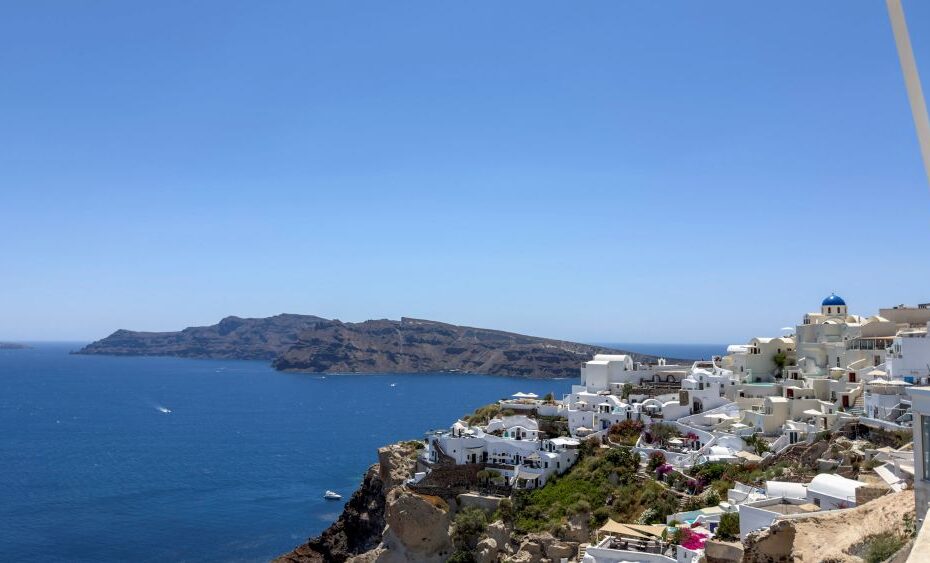
A Mediterranean cruise lets you explore several countries in one trip — without packing and unpacking, without separate hotels, without complicated transport connections. You board once, unpack once, and wake up somewhere new every morning.
We’ve sailed the Mediterranean ourselves — eight days, six ports, two families — and here’s an honest look at why it might be the right choice for your next trip. If you’re curious about cruising but not sure what daily life onboard actually feels like — including the parts nobody puts in the brochure — this is written for you.
1. Mediterranean Cruises Run Year-Round
No need to limit your travel to specific months. The Mediterranean cruise season never really ends — it just changes character:
| Season | What to expect |
|---|---|
| Spring (Apr–May) | Mild weather, fewer tourists, lower prices |
| Summer (Jun–Aug) | Warm weather, busy ships, peak prices |
| Autumn (Sep–Oct) | Still warm, quieter ports, good value |
| Winter (Nov–Mar) | Off-season atmosphere, lowest prices, some ports quieter |
The flexibility means you can plan around your schedule and budget rather than fitting into a single peak window.
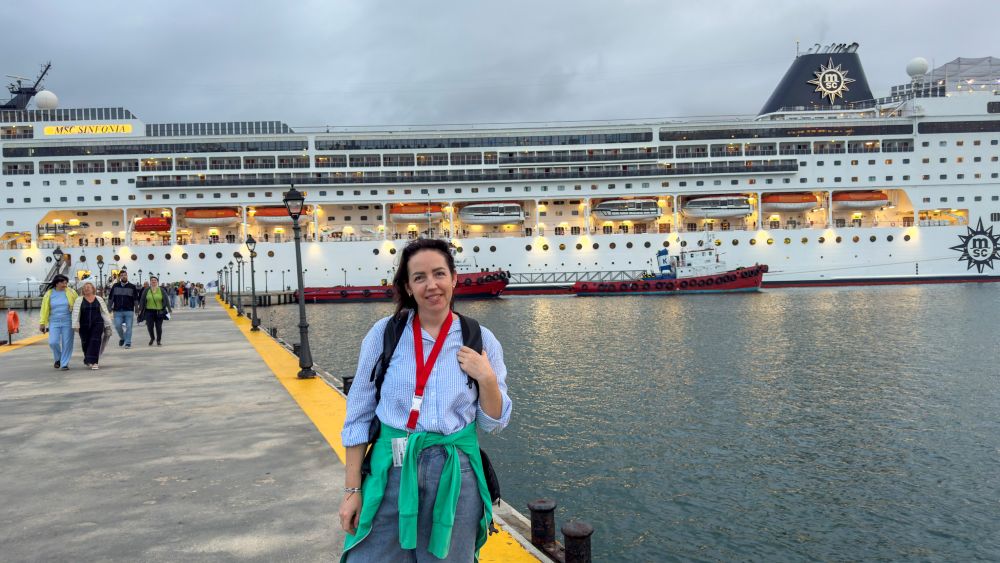
2. Embarkation Ports Are Easy to Reach
Mediterranean cruises depart from some of Europe’s best-connected cities — Barcelona, Rome (Civitavecchia), Venice, and Athens all have major international airports with direct flights from across Europe and North America.
In practice, this means you can often fly in and board your ship within the same day — though we’d always recommend arriving a day early, especially after a transatlantic flight.
3. The Price Includes More Than You Think
Cruise pricing often surprises people — in a good way. A standard cruise fare typically covers:
| Included | Usually extra |
|---|---|
| Cabin accommodation | Specialty restaurants |
| All main meals (breakfast, lunch, dinner) | Alcoholic drinks |
| Onboard entertainment (shows, pools, gym) | Shore excursions |
| Port fees | Wi-Fi |
| Kids’ clubs (most ships) | Spa treatments |
A standard cruise fare covers more than most people expect — the table above shows where the line falls.
Compared to independent travel — where you’d book separate hotels, restaurants, and transport for each city — the all-in pricing often works out favorably, especially for longer itineraries.
One thing worth knowing: summer cruises cost significantly more than spring, autumn, or winter sailings. The same itinerary can cost 30–50% less outside peak season. If your schedule is flexible, sailing in May or October gives you good weather and noticeably lower prices.
4. Multiple Destinations, One Trip
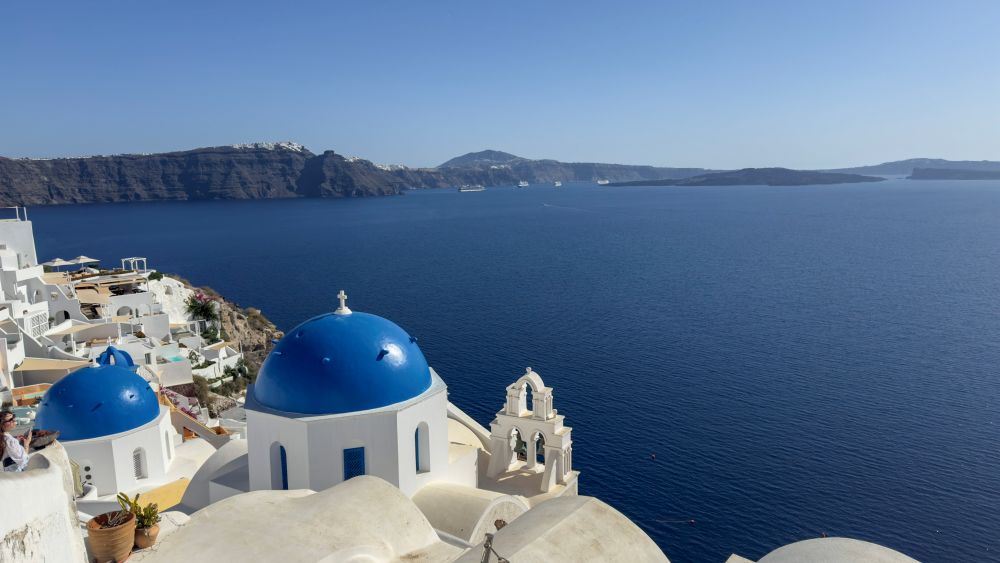
The Mediterranean is one of the most historically dense regions in the world, and a cruise lets you cover a remarkable amount of it in a single journey. A standard 7-night itinerary might include Barcelona, Naples, a Greek island, and Montenegro — cities and countries that would take weeks to connect independently.
Popular stops on Mediterranean cruise itineraries:
- Barcelona — Gothic Quarter, Sagrada Família, La Rambla
- Rome (via Civitavecchia) — Colosseum, Vatican, Trevi Fountain
- Athens (via Piraeus) — Acropolis, Plaka district
- Santorini — caldera views, Oia village
- Corfu — Venetian Old Town, green coastline
- Kotor, Montenegro — medieval walled city, fortress climb
- Dubrovnik — UNESCO Old Town, city walls
- Venice — canals, Doge’s Palace, Rialto Bridge
- Ibiza — Dalt Vila fortress, beaches
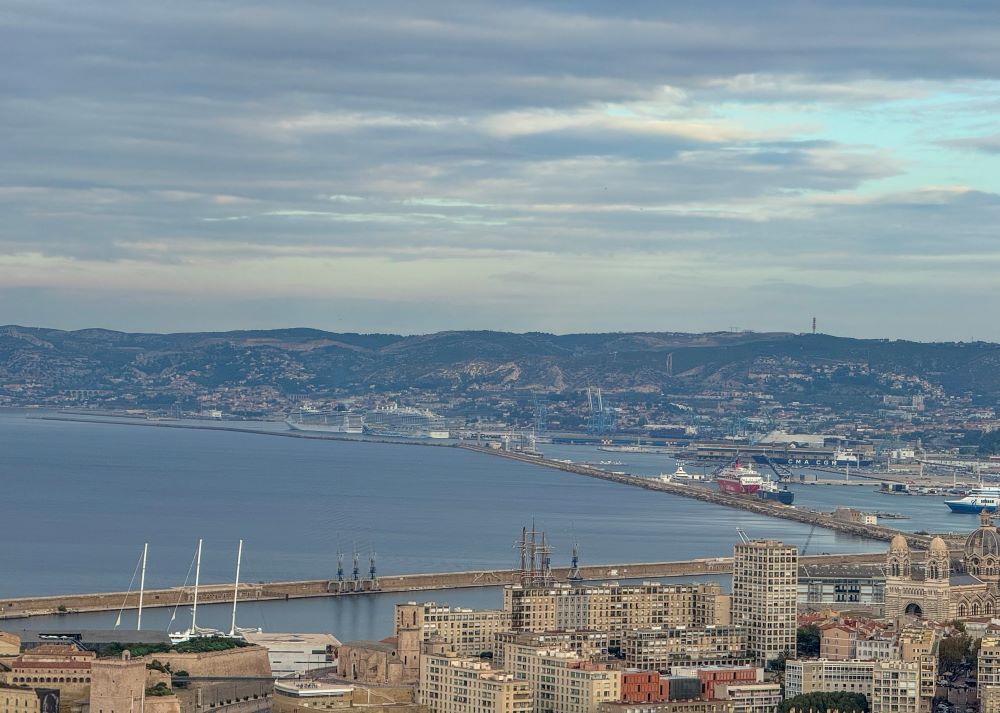
Our own MSC Fantasia Mediterranean sailing covered a different mix — Rome, Genoa, Marseille, Valencia, Tarragona, and Naples — which shows how varied these itineraries can be.
One ship, one suitcase, half a dozen ports. That’s the practical appeal.
5. Stress-Free Travel from Day One
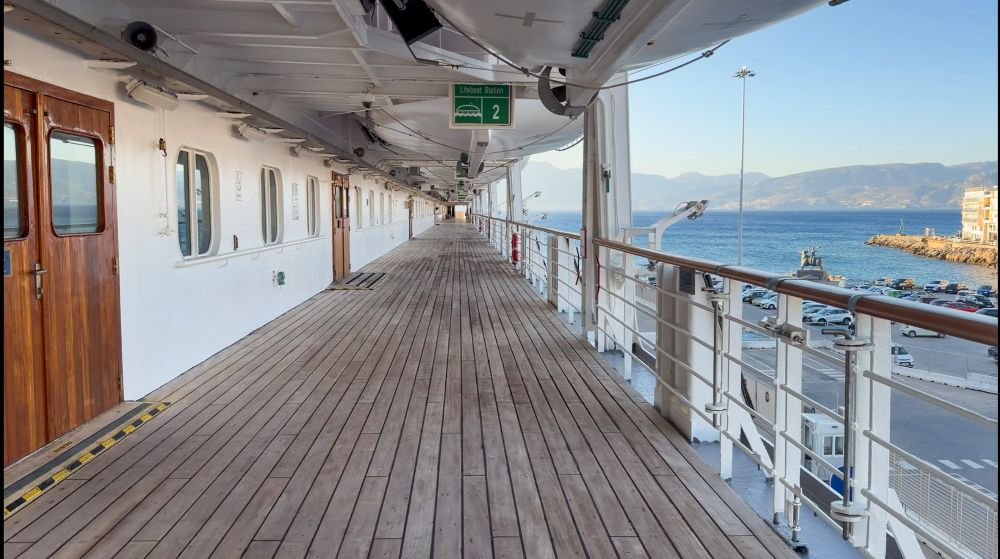
What could be simpler than unpacking once and moving comfortably from destination to destination? Cruise ships are often compared to floating hotels — and the comparison holds. Everything is within reach: restaurants, entertainment, your own cabin. No arranging transport between cities, no hauling luggage through train stations, no checking in and out of different hotels every two days.
What’s on Board
Beyond the ports of call, most cruise ships offer:
- Multiple dining venues (main restaurant, buffet, specialty options)
- Pools and sun decks
- Spa and wellness facilities
- Evening shows, live music, and theatre performances
- Bars and lounges open late
- Kids’ clubs and family programming
Your floating hotel delivers entertainment and relaxation around the clock — so even sea days between ports feel like part of the trip rather than time lost.

What Does a Mediterranean Cruise Actually Cost?
Prices vary widely depending on the cruise line, cabin type, season, and itinerary length. Here’s a realistic range based on current market pricing:
| Trip type | Approximate cost per person |
|---|---|
| 7-night budget cruise (inside cabin, shoulder season) | €500–€800 |
| 7-night mid-range cruise (balcony cabin, summer) | €900–€1,400 |
| 10–14 night cruise (balcony, peak season) | €1,200–€2,500 |
| Travel insurance | €40–€80 |
| Daily spending ashore (excursions, meals, souvenirs) | €50–€150/day |
Budget tip: Book 6–9 months in advance for the best cabin prices. Last-minute deals exist but cabin choice is limited. Early booking also gives you first pick of dining times and shore excursions.

FAQ: Mediterranean Cruises
What is the best time of year for a Mediterranean cruise?
May, June, and September offer the best balance of good weather, manageable crowds, and reasonable prices. July and August are the warmest but also the most expensive and most crowded. October is underrated — warm enough for swimming, noticeably quieter ports.
Will I feel seasick or claustrophobic on a Mediterranean cruise?
The Mediterranean is one of the calmest cruising regions — most itineraries stay close to coastlines with few open-ocean stretches, so serious seasickness is rare even for first-timers. As for feeling confined: large ships carry thousands of passengers across many decks, pools, and lounges, so it rarely feels crowded outside peak buffet hours, and you’re in a different port most mornings rather than stuck at sea for days.
How much spending money do I need for a Mediterranean cruise?
Budget €50–€100 per person per day for shore excursions, drinks, and souvenirs. Some ports can be explored for free on foot; others (Rome, Athens) benefit from a guided excursion which costs €40–€80 per person.
Is a Mediterranean cruise suitable for first-time cruisers?
Yes — it’s one of the best introductions to cruising. Itineraries are varied, ports are interesting, and the logistics are straightforward. The main learning curve is understanding what’s included in your fare and what costs extra.
Which cruise lines operate Mediterranean itineraries?
MSC Cruises, Costa Cruises, Royal Caribbean, Norwegian Cruise Line, Celebrity Cruises, and P&O Cruises all run regular Mediterranean itineraries. MSC and Costa tend to offer the most competitive pricing from European departure ports.
Do I need a visa for Mediterranean cruise ports?
EU citizens do not need a visa for EU ports or for Turkey (Kusadasi) — entry is visa-free for up to 90 days. Always check current entry requirements before departure, as rules can change.
Is a Mediterranean Cruise Worth It?
For most travellers — yes, and especially for first-timers, who tend to make the same fixable mistakes on their first sailing. The combination of variety, convenience, and value is hard to replicate with independent travel at the same price point.
The best Mediterranean cruises are the ones where you treat the ship as a base, not a destination — get off at every port, walk the old towns, eat local food, and use the ship for what it does best: getting you somewhere new overnight while you sleep.