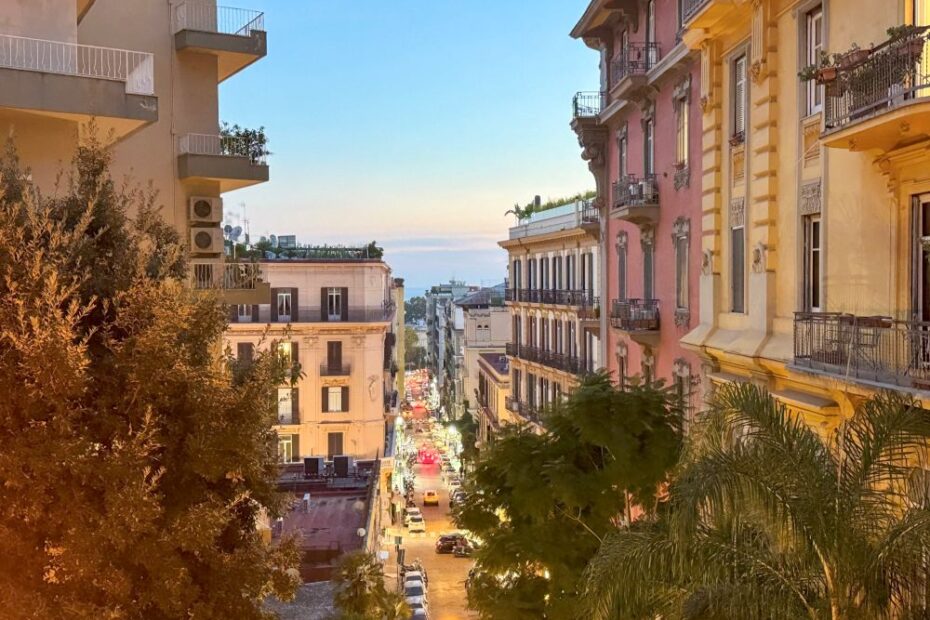
In October 2024, we ended our Mediterranean cruise on MSC Fantasia in Naples — and stayed for two days. It wasn’t a carefully planned extension. We hadn’t booked return flights in advance, which meant the Naples stop ended up partly unplanned, partly improvised, and entirely more interesting than we expected.
Naples has a reputation that puts people off. Everyone raves about Rome — polished, photogenic, packed with tourists. Naples gets described more dismissively: chaotic, rough around the edges, not worth the effort. We arrived prepared for the worst and found something completely different. This is what actually happened.
Arriving at Naples Port: What to Expect
One thing that stands out immediately: the port in Naples is right in the city. There’s no transition zone, no tourist-buffer strip between the dock and real life. You walk off the ship and you’re straight into the noise and movement of a working southern Italian city. It’s disorienting at first, and then you realise it’s one of the things that makes Naples different from most cruise ports.
We were a group of seven, which made logistics a little more complicated but also gave us confidence moving around on foot. For solo travellers or couples, Naples is equally walkable — the centre is compact and the streets are active enough that you never feel isolated.
Day One: The City on Foot
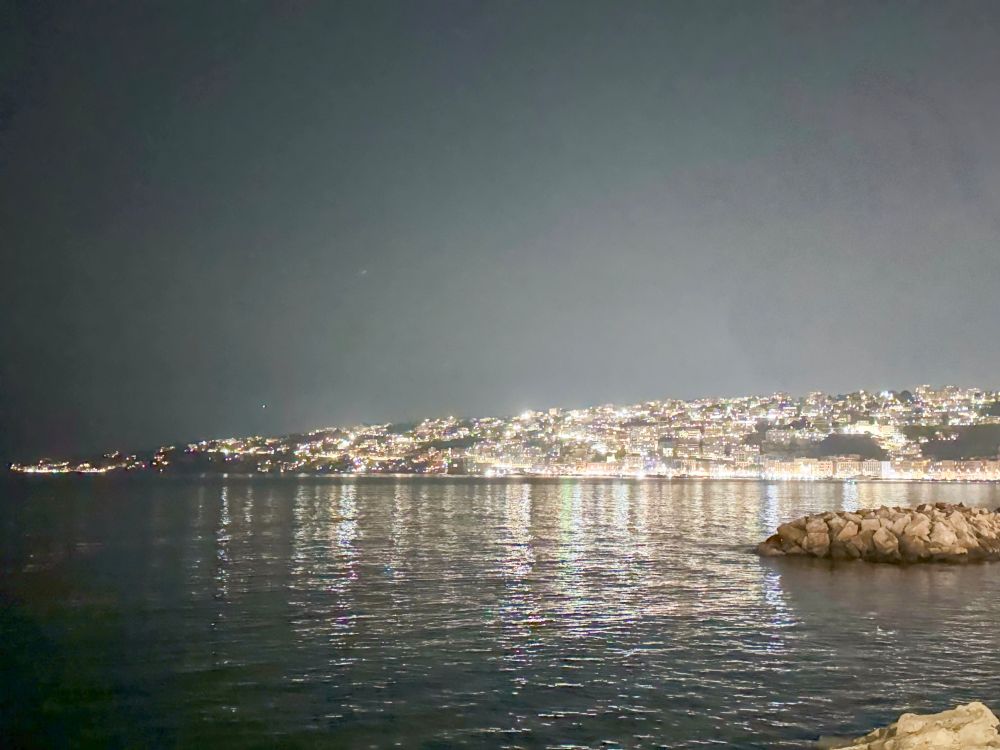
We arrived in the early afternoon and spent the rest of the day simply walking. No agenda, no bookings — just getting a feel for the place before the Pompeii day trip the following morning.
Naples has the energy of a city that doesn’t perform for visitors. The narrow streets of the historic centre — a UNESCO World Heritage Site — are lined with small shops, street food vendors, laundry hung between buildings, and a level of human density that reminded us more of certain Asian cities than anything else in Europe. Chaotic in appearance, but with its own internal logic once you spend a few hours in it.
The street food is the other thing worth mentioning early: Naples is the birthplace of pizza, and eating it here is genuinely different from eating it anywhere else. We found a local pizzeria — nothing fancy, no English menu, the kind of place that’s been there for decades — and ate extremely well for very little money. This is the city’s main advantage over Rome: the food is just as good, possibly better, and the prices are noticeably lower.
One small moment that captures Naples perfectly: we tried to order soup. Coming from Northern Europe, soup is how you warm up in the evening — it’s just what you do. The restaurant owner looked at us with genuine bafflement, then explained, very patiently, that Naples doesn’t do soup. There is pizza. And if you’re cold, there is wine. We accepted both conditions and had a wonderful evening.
Day Two: Pompeii
Getting There: Bus vs. Train
Getting to Pompeii from Naples is straightforward in theory. In practice, the choice of transport matters more than most guides mention.
We took the bus on the way there. It was cheaper than the train — the fare was around €2.50 per person — but it took the long way around, stopping through multiple towns and dropping off schoolchildren along the route. The journey took about 90 minutes. We wouldn’t recommend it if you’re trying to maximise time at the site.
On the way back, we took the Circumvesuviana train from Pompeii Scavi station. That took roughly 60 minutes and cost around €2.80 per person. The train is the better option in both directions — faster, more direct, and the station at Pompeii drops you right at the archaeological site entrance. If you’re visiting Pompeii from Naples, take the train.
One Practical Warning: Start Early
We made the mistake of leaving too late in the morning. By the time we arrived at Pompeii, it was already past the point where visiting both Pompeii and Mount Vesuvius in a single day was realistic. The last bus from Pompeii up to Vesuvius departs at around 14:00 — if you’re not there by then, the volcano isn’t happening that day.
There are local guides outside the Naples cruise port offering combined Pompeii and Vesuvius excursions, but they typically leave by noon at the latest. If that combination is on your list, either book through them or leave independently before 9:30 AM.
We chose Pompeii and stayed until closing. No regrets about that decision.
Pompeii: What to Actually Expect
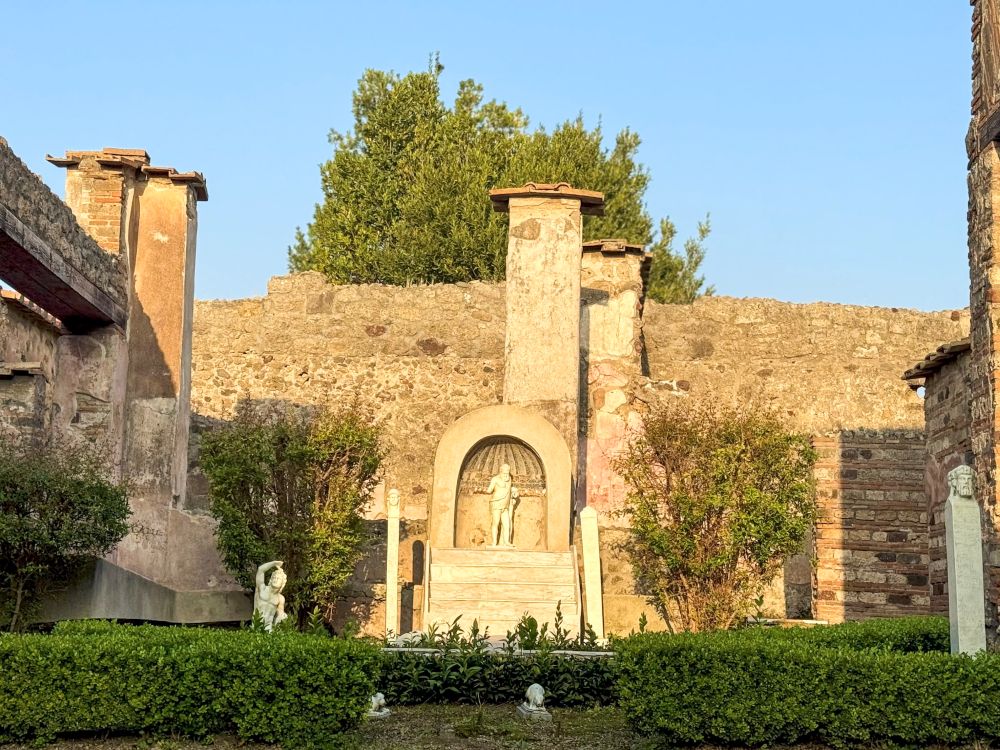
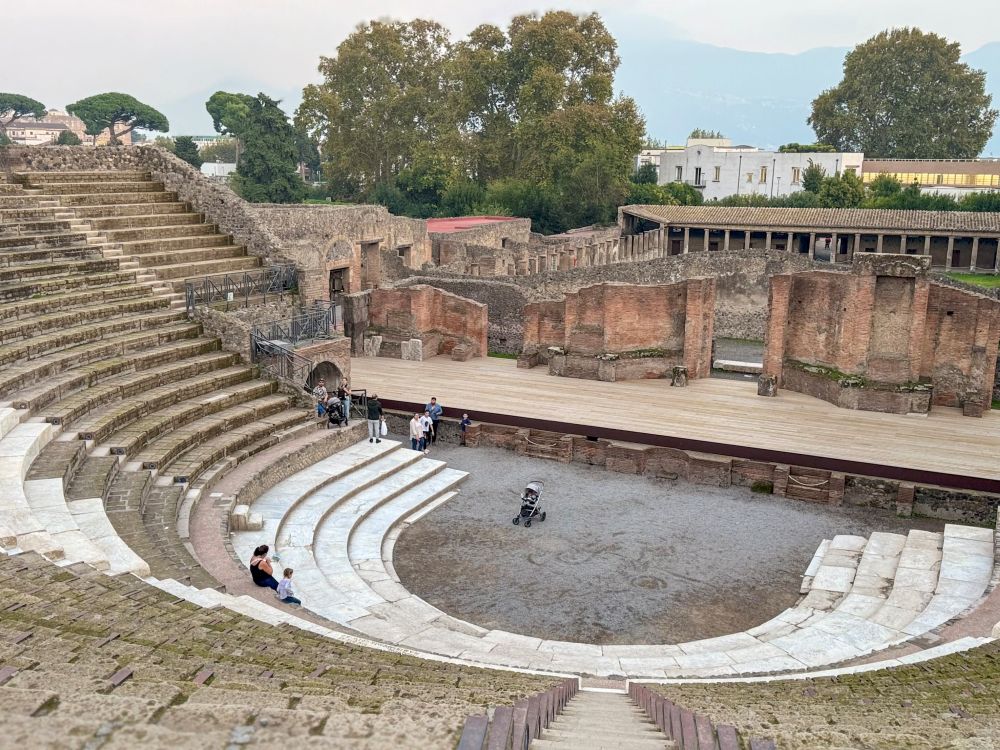
The site is larger than most people anticipate. It takes three to four hours to walk properly — and by ‘properly’ we mean covering the main streets, the forum, the amphitheatre, the baths, and a few of the better-preserved houses. You could spend a full day here without running out of things to see.
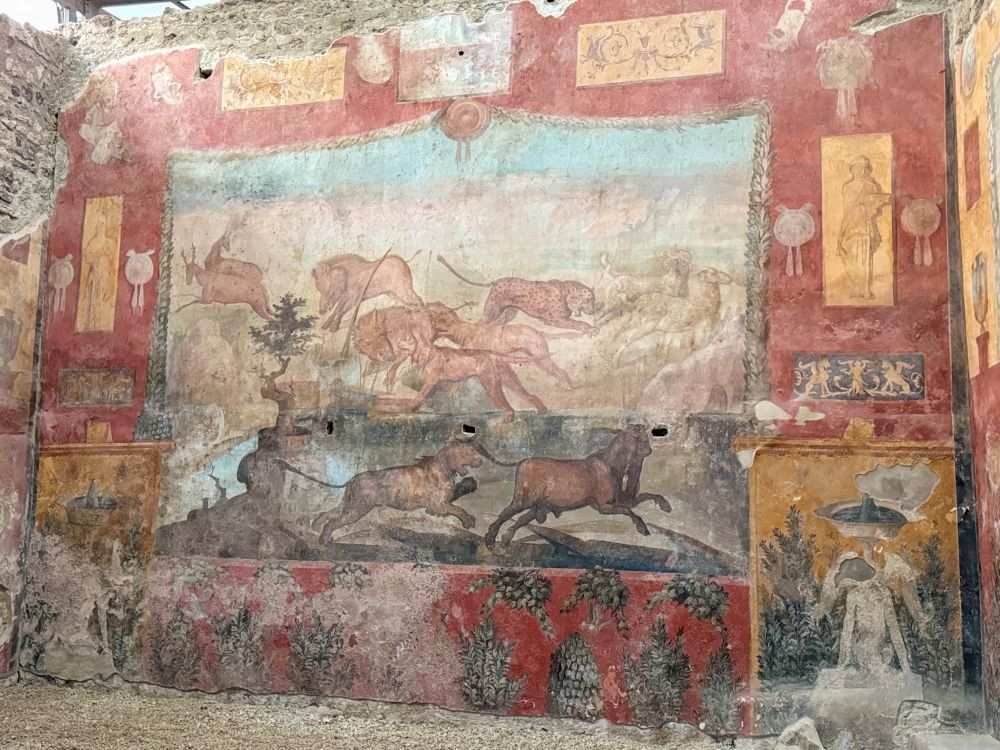
What makes it genuinely extraordinary is the specificity of what survived. Not just ruins, but intact floor mosaics, frescoed walls, bakeries with millstones still in place, election slogans painted on exterior walls. The city was frozen mid-activity, and two thousand years later you’re walking through it. That feeling doesn’t leave you.
The backstory is worth knowing before you go. In 79 AD, Mount Vesuvius erupted without warning and buried Pompeii — a thriving Roman city of around 11,000 people — under several metres of volcanic ash and pumice within hours. Most who didn’t escape in time died from the heat surge, not the ash itself; the eruption effectively froze the city at a single moment in time. Pompeii remained buried and largely forgotten for nearly 1,700 years until excavations began in the mid-18th century.
If you want to see the story brought to life before your visit, two films are worth watching: the BBC documentary drama Pompeii: The Last Day (2003) reconstructs the final 24 hours through the eyes of real inhabitants and is historically accurate; the Hollywood feature Pompeii (2014) is more dramatic than factual, but gives a vivid sense of the eruption’s scale.
Entrance cost us €18 per person in October 2024 — the standard “Pompeii Express” ticket has since risen to €20. Tickets are now personal (you’ll need ID matching the name on the ticket) and there’s a daily cap of 20,000 visitors, so book online in advance rather than counting on the gate. Arrive before noon if you’re coming independently — the queues are shorter and the light is better for the site in the morning.
What We Didn’t Get To (And Why We’d Go Back)
The unplanned nature of our stay meant we missed things. Mount Vesuvius was the obvious casualty of our late start. The National Archaeological Museum in Naples — which holds the best of what was excavated from Pompeii, including the famous mosaics and the ‘Secret Cabinet’ of erotic art — didn’t make the itinerary either.
The Amalfi Coast, which is accessible as a day trip from Naples, was another casualty. Two days isn’t enough to do Naples and the coast justice. A third day would have made the itinerary significantly more comfortable.
The other reason we’d go back is practical: we didn’t buy return flights before the trip. We booked them while on the cruise, waiting for prices to drop, and ended up with a flight from Rome via Helsinki with an overnight layover. We didn’t save much and lost a day. If you’re planning a post-cruise extension, book the return flights before you go — the mistake we’ve owned up to before.
Getting from Naples to Rome for the Flight Home
Our return flight left from Rome, so the trip ended with a train ride north. The high-speed Frecciarossa and Italo trains cover Naples to Rome in about an hour; the slower regional train takes around two and costs less. Book well in advance — Italian rail prices rise sharply closer to departure, with early fares from around €15–20 climbing to €70–80 for last-minute tickets.
For cruise passengers, this is worth knowing when booking flights: Naples and Rome are close enough by rail that an open-jaw itinerary (cruise ends in Naples, flight leaves from Rome) works perfectly well — and Rome often has better flight connections and prices.
Naples: Real Costs (October 2024)
| Expense | Cost | Notes |
|---|---|---|
| Night 1: Casa Cupiello, Via Chiaia | €174 | Casa Vacanze exclusive use apartment, Via Chiaia |
| Night 2: DM Suites, Naples Centro | €143.58 | City centre location |
| Train Naples → Rome (Frecciarossa express) | €35–60 pp | ~1 hr high-speed (Frecciarossa/Italo); ~2 hrs regional. Book early — prices rise sharply last minute. |
| Pompeii entrance | €18 pp | October 2024 price; standard ticket now €20 |
| Bus Naples → Pompeii | ~€2.50 pp | 90 min — take the train instead |
| Train Pompeii → Naples | ~€2.80 pp | ~60 min, drops at site entrance |
| Pizza in a local restaurant | ~€10–12 pp | Naples is noticeably cheaper than Rome |
| Street food / coffee | €2–5 | Espresso €1, street food from €3 |
FAQ: Naples After a Cruise
Is Naples worth staying for after a cruise?
Yes — particularly if Pompeii is on your list. The city itself rewards a day of walking, and the street food and coffee culture are reason enough to spend a full evening there. The reputation for being rough or unsafe is significantly overstated in the tourist areas. We walked extensively over two days as a mixed group and felt comfortable throughout.
How do you get from Naples cruise port to Pompeii?
The fastest option is the Circumvesuviana train from Naples Porta Nolana or Garibaldi station to Pompeii Scavi — about 60 minutes, €2.80 per person, and the station exits directly at the archaeological site. The bus is cheaper but takes 90 minutes and stops through several towns en route. Take the train.
How much does Pompeii cost?
We paid €18 per person in October 2024; the standard “Pompeii Express” ticket has since risen to €20, with a €25 “Pompeii+” version that adds the suburban villas. EU citizens aged 18–24 pay a reduced €2, under-18s enter free, and entry is free for everyone on the first Sunday of each month. Tickets are personal and capped at 20,000 per day — book online with the visitor’s name and bring ID.
Can you visit both Pompeii and Vesuvius in one day from Naples?
Yes, but only if you start early. The last bus from Pompeii to the Vesuvius crater departs around 14:00. If you want both sites, leave Naples by 9:00 AM at the latest. Local tour operators outside the Naples cruise port offer combined excursions that handle the timing for you — that’s the easier route if you want to do both without stress.
Is Naples safe for tourists?
The historic centre and main tourist areas are safe. Naples has a reputation that’s partly built on older stereotypes. We walked through the city on two evenings as a group and at no point felt unsafe. The usual sensible precautions apply — keep valuables out of sight, don’t leave bags unattended — but that applies in any busy city. Don’t let the reputation put you off.
What is the best way to get from Naples to the airport?
The Alibus airport shuttle runs from Naples port and Piazza Garibaldi to Naples International Airport (Capodichino) — around €5 per person, 20–30 minutes depending on traffic. Taxis are available but cost significantly more. The shuttle is reliable and the most practical option for travellers with luggage.
Is Naples Worth Two Days After a Cruise?
Yes — with one honest caveat: two days is not quite enough. Pompeii alone deserves a full day, and the city of Naples deserves another. If you add Vesuvius or the Amalfi Coast to the mix, you need at least three days to avoid feeling rushed.
That said, two days is far better than zero days — it’s the same lesson we learned staying on in Athens after our Greek sailing (URL uz Athens rakstu): the port city deserves its own days. We arrived underestimating Naples and left wanting to return. The city has a specific energy — loud, dense, completely itself — that’s hard to find in the more polished corners of Europe. The pizza is the best we’ve had anywhere. Pompeii is one of the most affecting historical sites we’ve visited. And the port, which drops you right into city life with no preamble, is a better arrival than most.
Go. Plan better than we did. Book your return flights early.