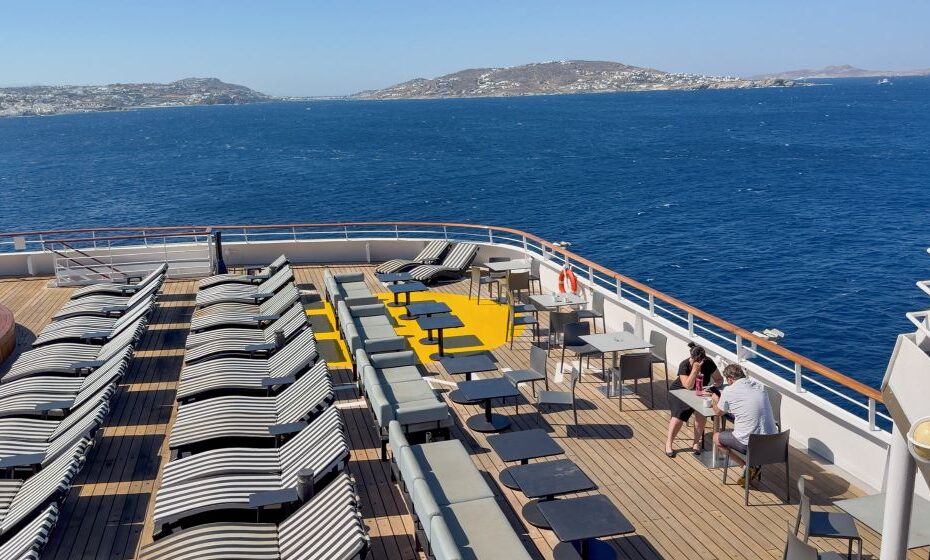
Planning your first cruise can feel like a lot. There are routes to choose, cabin types to compare, excursions to book or not book — and a general sense that you might be missing something obvious that experienced cruisers already know.
We’ve now sailed five cruises — Mediterranean, transatlantic, Mexican Riviera, and the Greek islands twice — and each one taught us something new. These five tips are what we’d tell a friend booking their first cruise today — the same things that keep us booking cruises five sailings in. No filler, just what actually matters.
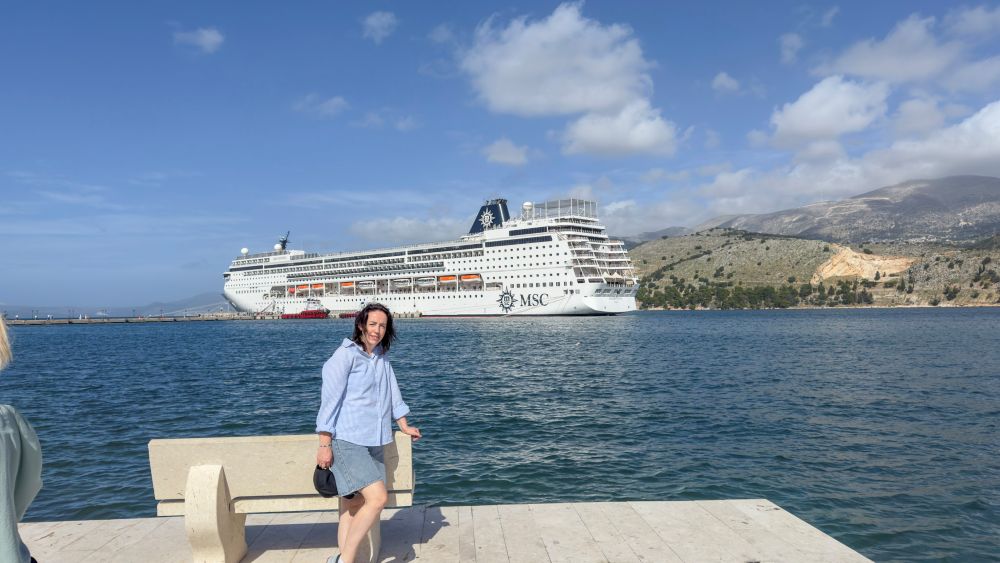
Tip 1: Be Honest About What Kind of Holiday You Want
The biggest mistake first-time cruisers make is booking a route that looks good on paper but doesn’t match what they actually enjoy. Cruise itineraries vary enormously — and so does the experience on board.
Beach and Sun
If warm weather and relaxation are the priority, the Caribbean is the obvious choice. Turquoise water, white sand beaches, and a pace of life that’s genuinely unhurried. We sailed the Mexican Riviera on Discovery Princess and the Caribbean as part of our transatlantic crossing — both delivered exactly that.
Culture and History
The Mediterranean is better suited to travellers who want a mix of beach time and serious sightseeing. Ports like Rome, Barcelona, Tarragona, and Dubrovnik offer enough to fill a full day ashore without feeling rushed. Our MSC Fantasia Mediterranean sailing — Rome, Genoa, Marseille, Valencia, Tarragona, and Naples — was built around this.
Nature and Scenery
Norwegian fjords are in a different category entirely. The landscape is dramatic and largely untouched, and the experience is more about being on the water than what happens in port. These routes tend to be more expensive and are best in the short summer season, but for the right traveller, nothing else compares.
Sea Days vs Port Days
Also worth considering: how many days do you want to spend at sea versus in port? Our transatlantic crossing from Barcelona to Miami had multiple consecutive sea days crossing the Atlantic — which we loved, but some passengers find frustrating. A Mediterranean itinerary typically has a port stop every day. Think about which suits you before booking.
And if several of these trade-offs give you pause, that’s worth listening to — we’ve written honestly about the reasons a cruise might not be your dream vacation.
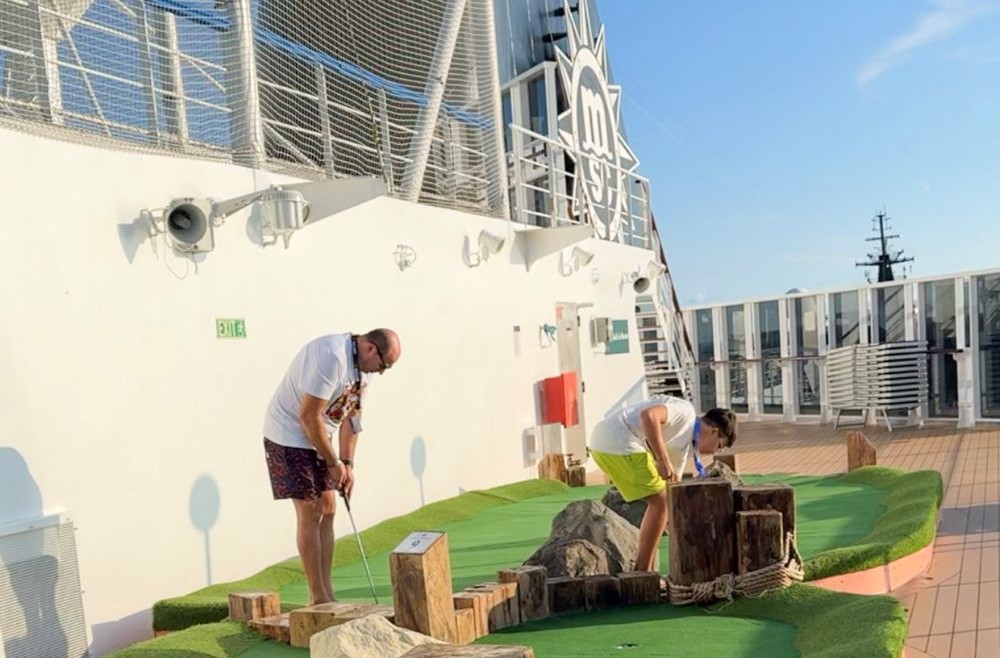
Tip 2: Set a Budget That Includes the Extras
The cruise fare is only part of the cost, and first-timers are often caught out by how quickly the extras add up. Here’s how to think about it properly.
The Cruise Fare
Mediterranean cruises are generally the best value starting point for Europeans — good prices, flexible lengths (7–14 nights), and easy to reach without a long-haul flight. Transatlantic crossings can be surprisingly affordable for the number of nights included. Fjord and expedition routes carry a premium.
Cabin Choice
Interior cabins are the most affordable and perfectly comfortable — you’re rarely in the cabin during the day, so the lack of a window matters less than you’d think. A balcony cabin costs a few hundred euros more and is genuinely worth it on longer sailings or if you tend to wake up early and want to watch the ship arrive in port.
What’s Not Included
The main restaurant and buffet are included. Almost everything else isn’t. Budget separately for:
- Drinks — water, wine, coffee, cocktails all go on your cabin card. A drinks package often works out cheaper if you plan to have wine with dinner most evenings.
- Shore excursions — either through the cruise line (convenient, more expensive) or independently via GetYourGuide or Viator (cheaper, needs more planning).
- Flights to the departure port — don’t forget this, especially for transatlantic routes.
- Speciality restaurants — most ships have Italian, Japanese, or steakhouse options for an extra cover charge.
- Tips/gratuities — some cruise lines add a daily service charge automatically; check your line’s policy.
That’s the full list — our step-by-step preparation checklist covers when and how each of these gets sorted before you board.
Typical First Cruise Budget Breakdown (per person, 7 nights)
| Expense | Budget | Notes |
|---|---|---|
| Cruise fare (interior cabin) | €400–€800 | Varies by season |
| Flights to departure port | €100–€300 | Book early |
| Shore excursions | €40–€100 pp | Per port day |
| Drinks on board | €50–€150 | Or buy a package |
| Spending money ashore | €20–€50/day | Cash for markets, tips |

Tip 3: Choose the Right Route Length and Season
First-time cruisers often default to the shortest available option, which isn’t always the best choice. A 7-night cruise gives you a good introduction, but many of the things that make cruising special — settling into the rhythm, getting to know the crew, finding your favourite spots on the ship — take a few days to happen.
That said, a 7-night Mediterranean cruise is genuinely the ideal starting point for most European travellers. Long enough to get the full experience, short enough that it’s not a major commitment.
Timing and Weather
Mediterranean cruises run April through October, with July and August being the busiest and most expensive months. May, June, and September offer the best combination of good weather and lower prices. The Caribbean and Mexican Riviera are warm year-round, but hurricane season runs June through November — most cruise lines adjust routes accordingly.
Transatlantic crossings run on a seasonal schedule: westbound (Europe to Americas) in autumn, eastbound in spring. Our Barcelona to Miami crossing in November was timed perfectly — calm Atlantic, warm arrival weather, and off-peak pricing.
Sea Days
If your route includes several consecutive days at sea, embrace it. Sea days are some of the best days on a cruise — unhurried, with full access to everything on board. First-timers sometimes worry about boredom, but the ship’s entertainment schedule, pool deck, and restaurants fill the time easily.
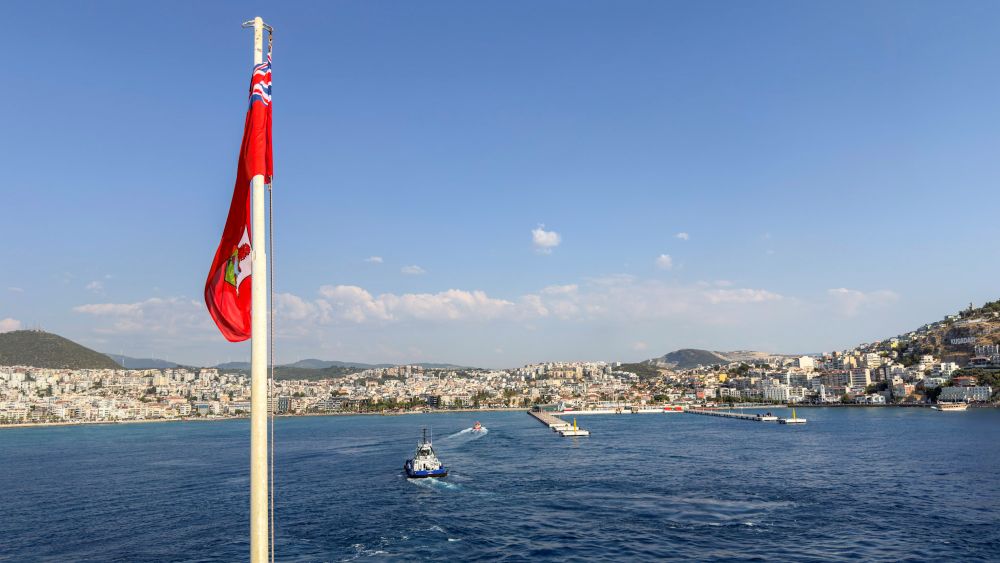
Tip 4: Book Excursions Independently
Cruise line excursions are convenient — the ship waits if the tour runs late, guides are vetted, and everything is organised. They’re also consistently 30–50% more expensive than the same experience booked through GetYourGuide or Viator.
For European ports, a third option often works even better: explore independently. Many Mediterranean cruise ports are within walking distance of the city centre, and with Google Maps and public transport, you can cover a lot of ground without paying for a tour at all. A useful resource is whatsinport.com — it has practical details for almost every cruise port in the world.
Our approach: book independently for most ports, use the cruise line only when the excursion involves something with limited capacity (like a specific national park or a timed entry attraction) or when the itinerary is genuinely complex to navigate alone.
Tip 5: Prepare for Day One
The first few hours on board can feel disorienting — a large ship, lots of passengers, and everything is unfamiliar. A small amount of preparation makes a noticeable difference.
Pack a Day Bag
Your main luggage is checked at the port and delivered to your cabin later — sometimes 3–4 hours after boarding. Carry a small bag with: travel documents, medications, phone charger, a change of clothes, and any cash you’ll need for the first day ashore. Don’t put anything essential in your checked luggage.
Explore the Ship Early
Use the first afternoon to walk the ship and get your bearings — find the main restaurant, the buffet, the theatre, the pool deck, and the customer service desk. It takes maybe 30 minutes and saves a lot of confusion later in the week. Every floor looks similar at first; a quick tour helps it click into place.
Book Shows and Restaurants on Day One
Popular shows and speciality restaurant slots fill up quickly, especially on larger ships. Check the entertainment schedule through the cruise app as soon as you board and book what you want that first evening. Waiting until day three often means the best slots are gone.
Attend the Safety Drill
The muster drill is mandatory and happens before the ship departs. On most modern ships it’s partly handled through the app with a short in-person check-in at your assigned muster station. It takes about 15 minutes. Take it seriously — the information is useful, even if it doesn’t feel that way at the time.
FAQ: First-Time Cruise Questions
What is the best cruise for first-timers?
A 7-night Mediterranean cruise is the most popular starting point and for good reason — manageable length, variety of ports, good value, and easy to reach from most European cities. MSC, Costa, and Royal Caribbean all run well-priced Mediterranean itineraries that work well for a first experience.
How much does a first cruise cost?
A 7-night Mediterranean cruise can start from around €400–€500 per person for an interior cabin in shoulder season. Budget an additional €200–€400 per person for flights, excursions, and spending money. The total for two people on a comfortable first cruise typically falls in the €1,500–€2,500 range depending on the route and time of year.
Is a cruise good for couples?
Yes — cruising works particularly well for couples. The combination of shared experiences in port, evenings on board, and the relaxed pace of sea days makes for a genuinely good holiday together. Balcony cabins are worth the extra cost for couples, particularly on longer sailings.
What should I pack for a first cruise?
Pack for multiple dress codes: casual daywear and comfortable walking shoes for port days, smart-casual for regular evenings, and something more formal for themed nights (White Night, Elegant Evening). A light layer for the ship’s air conditioning — which tends to run cold — is more useful than most people expect.
Can you get seasick on a cruise?
Modern cruise ships are large and stabilised, and most people don’t experience significant motion on standard Mediterranean or Caribbean routes. Transatlantic crossings can have rougher patches. If you’re concerned, seasickness patches (available from a pharmacy) or over-the-counter tablets work well as a precaution — take them before you feel sick, not after.
Should I book cruise excursions in advance?
For specific activities with limited capacity — national parks, timed entries, popular tours — book in advance through GetYourGuide or Viator. For general sightseeing in European ports, you can often decide on the day or explore independently. Cruise line excursions can be booked through the ship’s app before departure if you prefer the convenience.
Ready to Book Your First Cruise?
The best thing about cruising is also the simplest: you unpack once, and the destinations come to you. Over a week or two, you can wake up in Rome, spend an afternoon in Barcelona, and watch the sun set from the open Atlantic — all without touching your suitcase again.
The tips above are the ones we genuinely wish we’d had before our first sailing. The rest you’ll figure out on board — and most of it turns out to be easier than it looked from the outside.