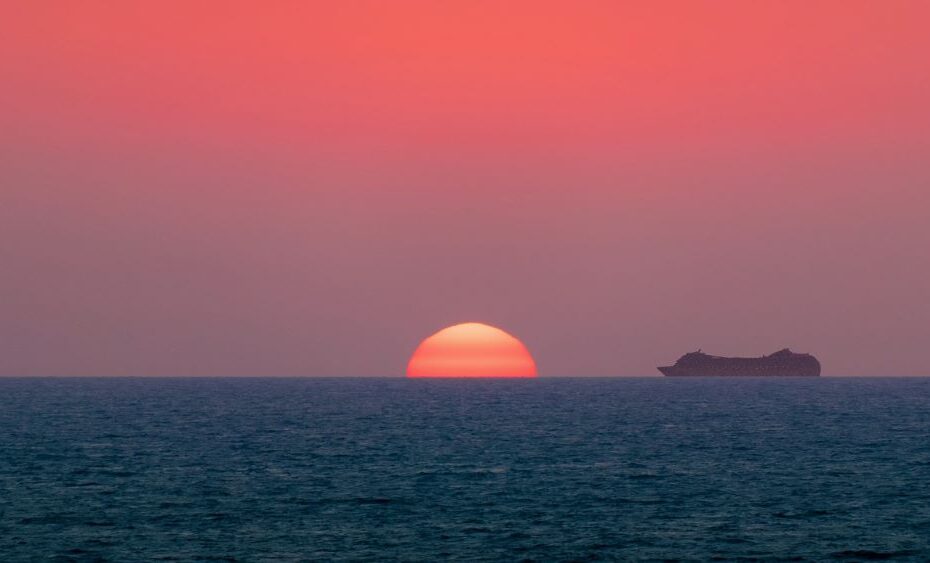
We sailed 17 days from Barcelona to Miami aboard the MSC Seashore in November 2023— and it turned out to be one of the most cost-effective, stress-free ways to see Europe and the Caribbean in a single trip. This guide covers everything: what it actually costs, what each port is worth, and how to make the most of your time onboard.
For a deeper dive into the ship itself, see our [MSC Seashore review: Barcelona to Miami, 17 days].
Whether you’re planning a honeymoon, a milestone celebration, or simply your first transatlantic cruise, this itinerary delivers dramatic variety — from the volcanic landscapes of the Canary Islands to the colonial streets of Old San Juan — without the constant packing and airport chaos of traditional multi-destination travel.Quick Overview: Is This Route Right for You?
Quick Overview: Is This Route Right for You?
- Duration: 17 days total (11 days sailing, 6 port days)
- Route: Barcelona → Tenerife → Lanzarote → 6 days Atlantic crossing → Saint Martin → British Virgin Islands → San Juan, Puerto Rico → Miami
- Ship: MSC Seashore (19 decks, up to 6,000 passengers)
- Total cost for two people: ~$2,200 cruise + ~$370 in excursions and food ashore
- Best for: Couples, honeymooners, anyone wanting Europe + Caribbean in one trip
- Not ideal for: Travellers who dislike sea days or prefer boutique accommodation
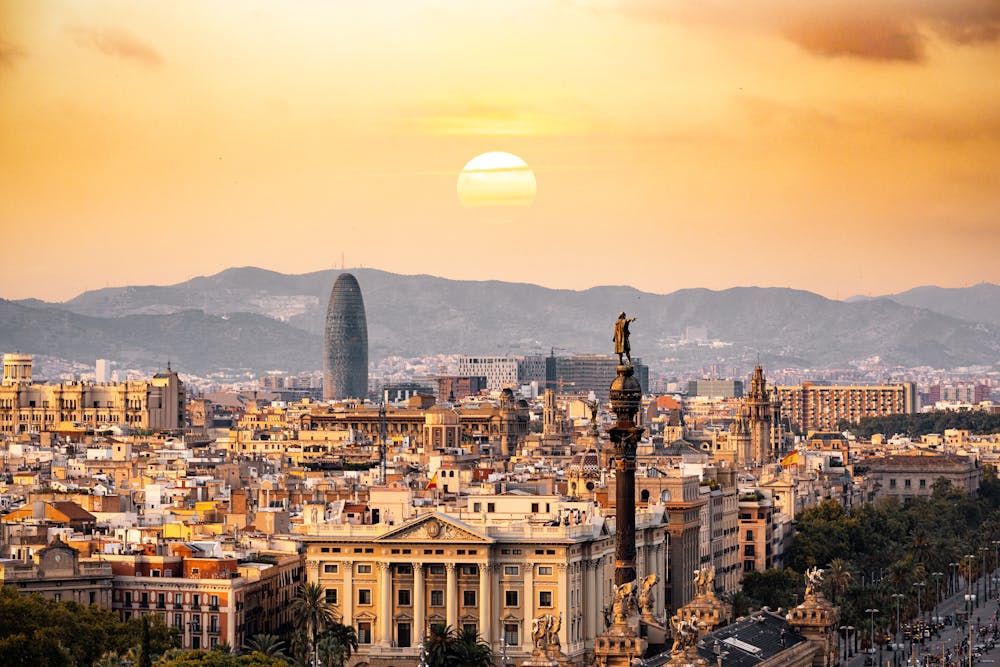
Barcelona: Your Embarkation Port
The journey begins in Barcelona — Spain’s cosmopolitan Mediterranean gateway. If you’re flying in from elsewhere in Europe, a late-night budget flight is tempting, but we’d caution against it.
💡 Tip: Book accommodation near Barcelona’s cruise port (Terminal de Creuers) rather than sleeping at the airport. Even one night at a mid-range hotel makes a huge difference to how you feel on embarkation day. Our budget choice (Pension Dani) was centrally located but disappointing — spend a little more here.
If you do have time in Barcelona before boarding, La Barceloneta beach is a 10-minute walk from the port, and the Gothic Quarter is 20 minutes on foot. Both are free and worth an hour or two.
Boarding the MSC Seashore: First Impressions
The MSC Seashore is enormous — 19 stories tall and built for up to 6,000 passengers. Think of it as a floating city with everything you’d expect: multiple restaurants, a full water park, a spa, a gym, live entertainment venues, a casino, and shops selling everything from sunscreen to luxury watches.
Embarkation in Barcelona runs smoothly. By 5 p.m., the ship’s departure ceremony draws passengers to the upper decks to watch the city skyline fade into a Mediterranean sunset. It’s a genuinely memorable start to the journey.
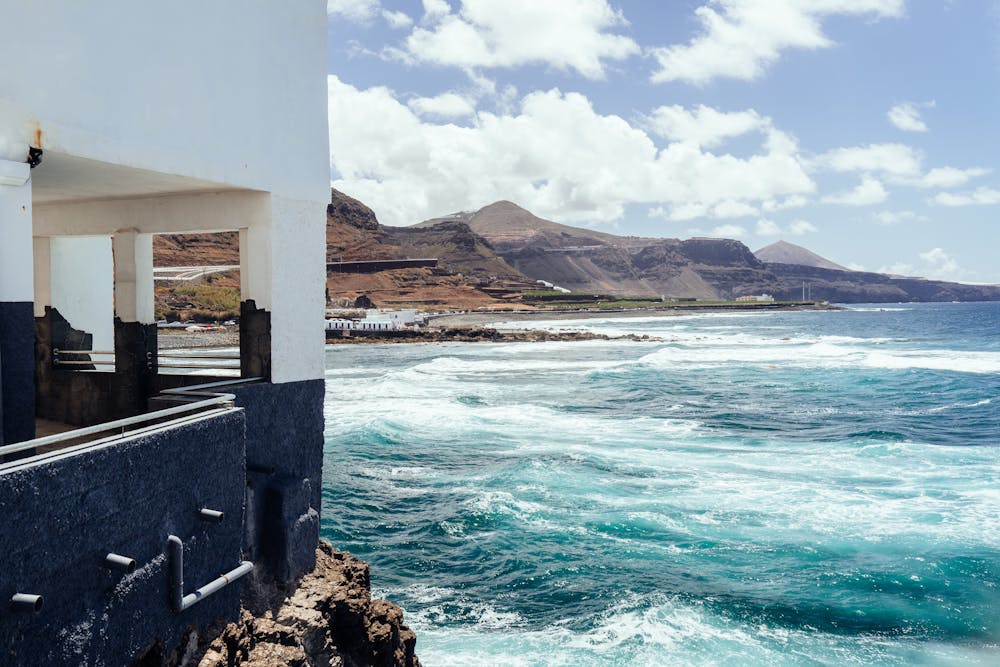
Canary Islands: Tenerife and Lanzarote
After two days at sea passing through the Strait of Gibraltar, the ship docks at the Canary Islands — an autonomous Spanish archipelago sitting off the northwest coast of Africa. Both islands are walkable from the port, so you don’t need to book an organised excursion.
Tenerife: Culture, Parks, and UNESCO History
In Santa Cruz de Tenerife, the main port city, you’ll find a lively mix of local markets, independent cafes, and open squares. The standout is Parque García Sanabria — a large public garden filled with sculptures, fountains, and subtropical plants that’s completely free to visit.
For history, take the short bus ride or taxi to La Laguna, a UNESCO World Heritage Site. Its well-preserved colonial architecture and cobblestone streets make it one of the most atmospheric towns in the Atlantic islands.
Lanzarote: Volcanic Scenery and Duty-Free Shopping
Lanzarote’s most striking feature is its landscape — dramatic black lava fields, whitewashed houses, and a coastline shaped by eruptions millions of years ago. A walk along the seafront near Arrecife (the port town) is worth an hour.
The island also has duty-free status, making it a popular stop for shoppers. Major brands are available at prices noticeably lower than mainland Europe, particularly for perfume, cosmetics, and spirits.
💡 Shopping tip: If you’re planning to buy luxury goods anywhere on this cruise, Lanzarote and Saint Martin offer the best prices.
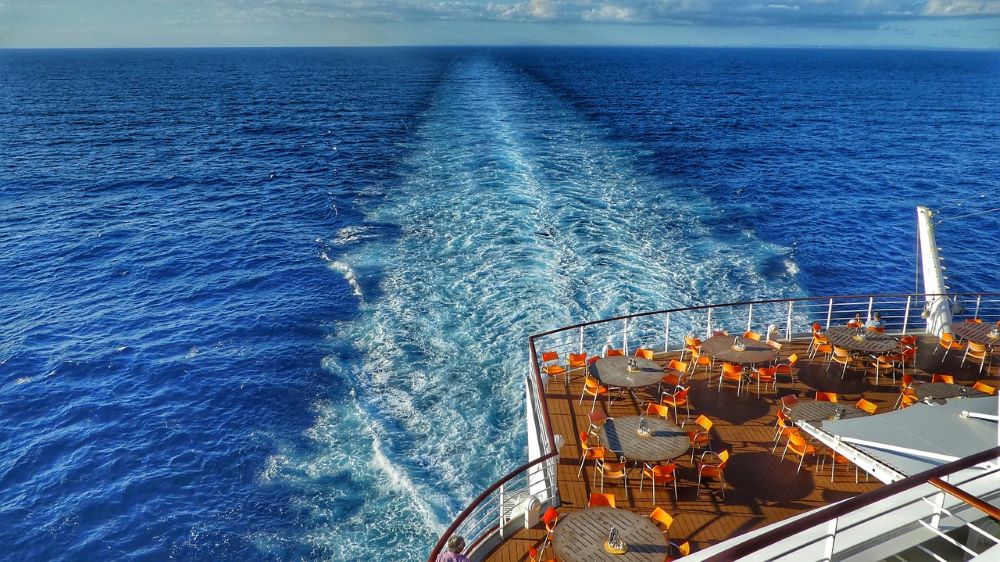
Six Days Crossing the Atlantic: What to Expect
The Atlantic crossing is what many people worry about most — and what almost everyone ends up loving. With no ports and no schedule, these six days become the true rest of the trip.
Daily Life at Sea
Mornings on deck with fresh fruit and coffee. Afternoons at the onboard water park or the gym (which has full ocean views through floor-to-ceiling windows). Evenings at one of the ship’s restaurants, followed by live entertainment that ranges from acrobatics and Broadway-style shows to magic acts.
MSC also runs daily activities — craft workshops, cooking demonstrations, trivia, and art sessions — if you prefer structured time. The ship’s schedule is published each evening on a paper programme slipped under your cabin door.
Food and Drinks
All main meals are included in the cruise fare. The buffet offers a genuinely impressive spread at every meal — fresh fruit, pastries, hot dishes, salads, desserts. Specialty restaurants (Italian, steakhouse, Asian) are available at a surcharge but not necessary; the included dining is excellent.
For a complete breakdown of what’s covered in your fare, see [what’s actually included in your cruise price].
Alcohol and soft drinks are sold separately. A drinks package can be purchased at embarkation or in advance — worth considering if you plan to drink regularly.
Caribbean Ports: Our Approach
For the European stops, we explored independently. For the Caribbean, we chose guided excursions for every port — partly because the islands are harder to navigate without local knowledge, and partly because we knew this might be our only opportunity to visit them. That turned out to be the right call.
One useful finding: local guides at the pier often charge the same as pre-booked online excursions, and the ship’s organised tours cost more for the same experience. If you see a group forming at the dock with a licensed guide, it’s usually safe to join.
Saint Martin: Beaches, Markets, and a Famous Runway
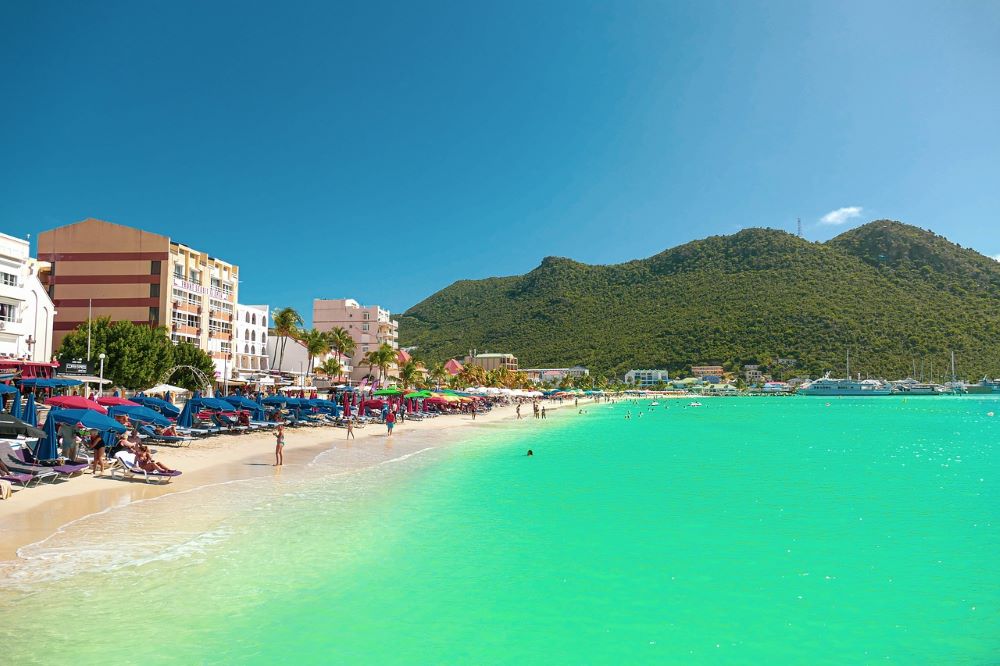
The ship docks at Philipsburg, the capital of the Dutch half (Sint Maarten) of this divided island. The French half (Saint-Martin) is a short drive away. Both sides operate as tax-free zones, and the contrast between Dutch-style buildings and French market stalls is genuinely charming.
What We Did
- Morning: Walked Philipsburg’s main street — good for luxury shopping (jewellery, watches, spirits) at duty-free prices
- Afternoon tour: Coralita Beach, Orient Bay (French side), Marigot Market, Maho Beach
- Highlight: Maho Beach, where planes from Princess Juliana International Airport pass just metres overhead on approach — extraordinary
- Marigot Market: fresh coconuts ($5), local crafts, and a colourful street scene
Shore excursion cost: $40 per person (half-day island tour, local guide)
Read our full [Saint Martin cruise port guide] for everything we did and what to prioritise.
British Virgin Islands: The Most Beautiful Beaches of the Trip
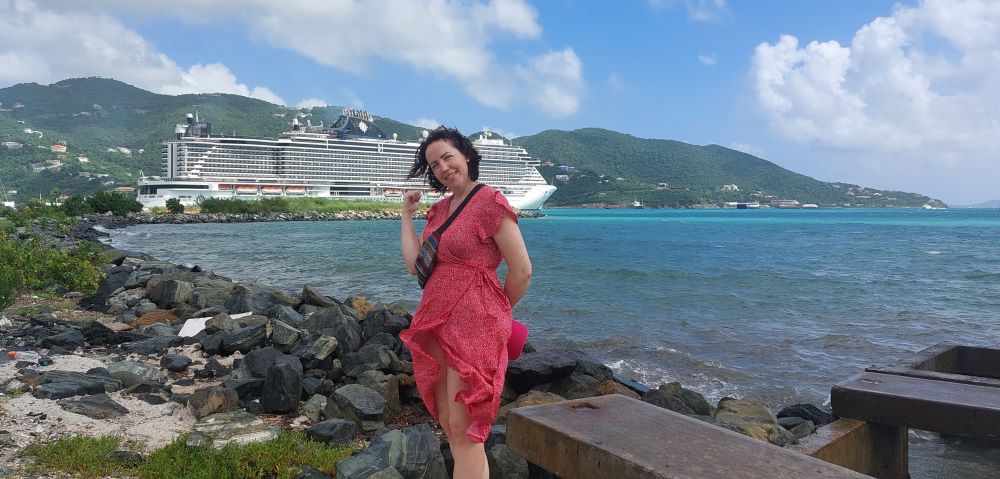
The British Virgin Islands don’t have a large city to explore — this stop is entirely about nature. Tour buses are waiting at the pier and will take you around the island chain in roughly three hours.
The beaches here are the finest we encountered on the entire cruise: fine white sand, shallow crystal-clear water, and genuinely low crowds. If you enjoy beach days, this port will be the highlight of your Caribbean leg.
Shore excursion cost: $20 per person (island circuit tour)
Read our full [British Virgin Islands cruise port guide] for what to expect ashore.
Puerto Rico: Rainforest, History, and the Best Piña Colada
San Juan was the port we were most excited about — and it didn’t disappoint. We booked with Roy Tours, a local operator that came recommended by other passengers. They offer a combined El Yunque rainforest and Old San Juan tour that covers the island’s two main draws in a single day.
El Yunque National Rainforest
El Yunque is the only tropical rainforest in the United States National Forest system. The drive up into the mountains takes about 45 minutes from San Juan, and the transformation in landscape is striking — dense canopy, birdsong everywhere, waterfalls visible from the road.
The tour includes a swim in a jungle river at a natural pool — cool, clear water surrounded by rainforest. It sounds like a cliché, and it is, but it’s also genuinely wonderful.
Old San Juan
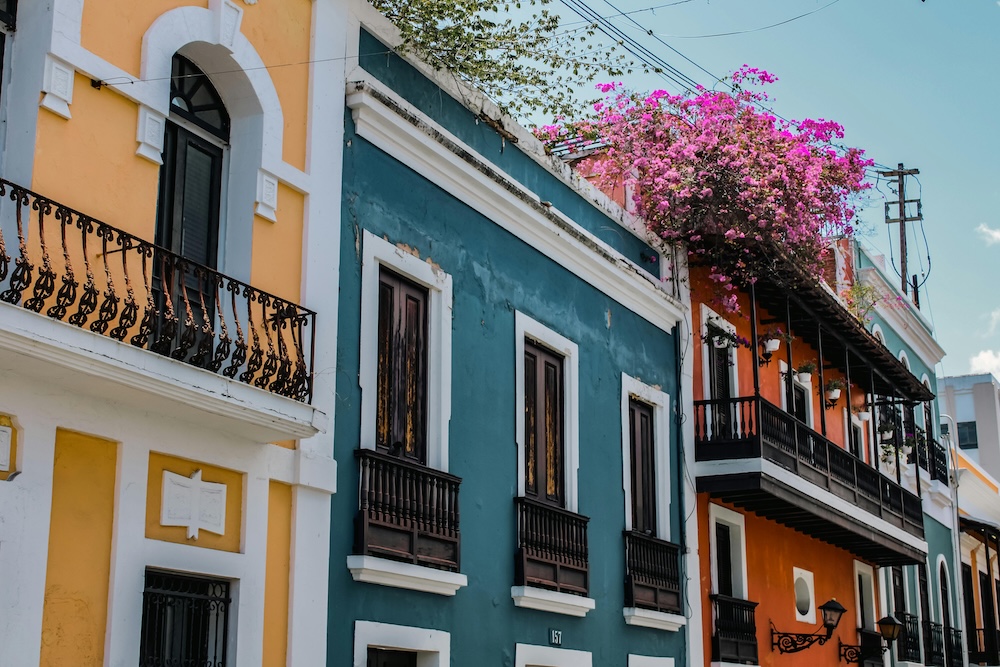
After lunch at a local restaurant — where we tried mofongo (fried green plantains mashed with garlic and pork crackling) for the first time — we spent the afternoon in Old San Juan, the second-oldest European-established city in the Americas.
La Fortaleza, the Governor’s residence and a UNESCO World Heritage Site, is worth a slow walk past. The coloured colonial buildings, the blue cobblestones made from ballast bricks, and the fortified walls overlooking the Atlantic are all photogenic and historically layered.
The ship departed at midnight, giving us the full evening. We found a bar with live salsa music, tried what was genuinely the best piña colada of the trip (Puerto Rico is where it was invented), and walked back to the ship along the waterfront at 11 p.m.
Shore excursion cost: $80 per person (Roy Tours — El Yunque + Old San Juan). Meal: $40 per person.
Read our full [Puerto Rico cruise stop guide] for everything we did — El Yunque, Old San Juan, and the midnight departure.
Miami: Arriving in the United States
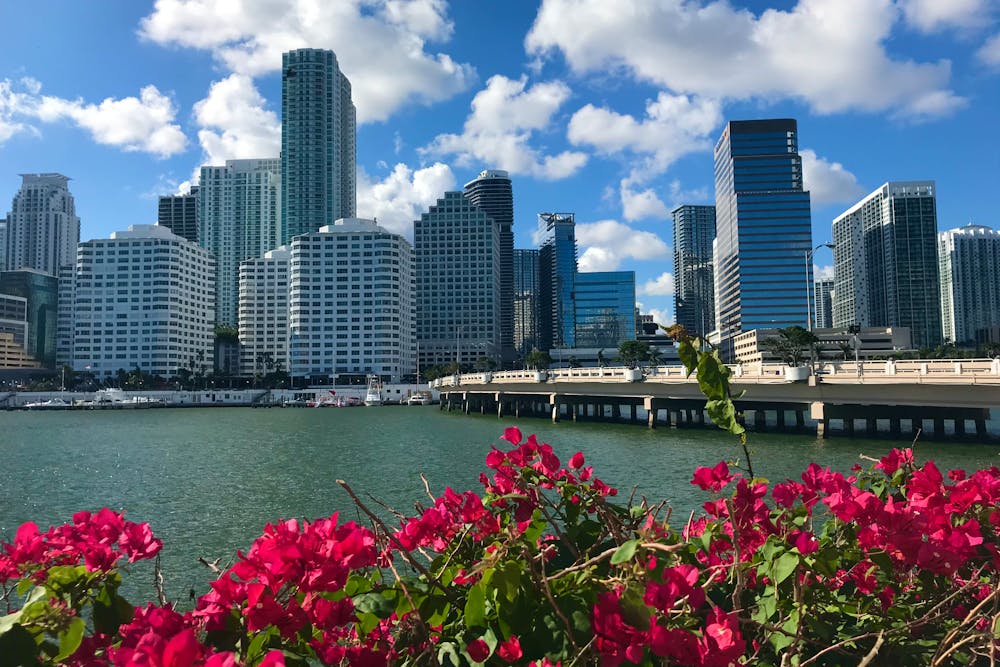
The ship docks at PortMiami in the early morning. Disembarkation is organised by group number, announced the night before, and typically runs efficiently. Passport control was faster than expected, partly because pre-processing happens in Puerto Rico (US customs jurisdiction begins there).
From the port, a local bus runs to South Beach in about 20 minutes — far cheaper than a taxi. If you’re extending your trip, South Beach is an obvious base; the Art Deco district, the beach itself, and the nightlife are all within walking distance.
Read our full guide to [5 days in Miami after a cruise] for what to do once you’re ashore.
Complete Cost Breakdown: What We Actually Spent
Here is every cost for two people on this itinerary. The cruise fare covers the cabin, all main meals, ship entertainment, and the water park.
Shore Excursion Expenses
| Item | Cost per person | Notes |
| 17-day cruise (2 people total) | $1,100 pp | Cabin + all meals + entertainment included |
| Saint Martin excursion | $40 pp | Half-day island tour |
| Fresh coconut, Saint Martin | $5 pp | At Marigot Market |
| British Virgin Islands excursion | $20 pp | Full island circuit tour |
| Puerto Rico (Roy Tours) | $80 pp | El Yunque + Old San Juan |
| Mofongo + beer, Puerto Rico | $40 pp | Local restaurant near Old San Juan |
| TOTAL (cruise + excursions) | ~$1,285 pp | Excluding flights & pre/post hotel |
Total cruise fare for two: $2,200 (i.e. $1,100 per person). Add the excursion and food costs above and the per-person total comes to approximately $1,285 — not including flights to Barcelona or accommodation before/after the cruise.
For all extra costs to budget for beyond the cruise fare, see [11 cruise ship costs you need to budget for].
💡 Money-saving tip: Many passengers bring packed meals from the ship’s buffet when going ashore to avoid buying food on the islands. We preferred eating locally, but if budget is tight, this is a legitimate option — especially for the shorter British Virgin Islands stop.
Essential Tips for This Route
Before You Board
- Book accommodation near Barcelona port, not at the airport — even one decent night’s sleep makes a difference
For a complete pre-cruise checklist, see our [step-by-step cruise preparation guide].
- Purchase a drinks package before sailing if you plan to drink regularly — it’s cheaper than buying by the drink
- Download offline maps for all port cities in advance — ship Wi-Fi is expensive and unreliable
- Pre-book Puerto Rico excursions online (Roy Tours or similar) — they fill up and pier prices can be higher
During the Crossing
- Use the sea days properly — gym, pool, shows, reading. Don’t wish them away
- The ship schedule (delivered to your cabin each evening) lists every activity the next day — worth reading
- Duty-free shopping on the ship is competitive for spirits and perfume
At the Ports
- Canary Islands and Saint Martin: walk independently, use ports for duty-free shopping
- Caribbean ports: always take a guided excursion — the islands are harder to navigate alone
- At the pier, joining an existing group with a licensed guide is usually safe and often cheaper than the ship’s official tour
- Carry small USD bills for tips and market purchases throughout the Caribbean
Frequently Asked Questions
Q: Do I need a visa for this cruise?
EU citizens need either a valid ESTA (Electronic System for Travel Authorization) or a US visa to enter both the United States and Puerto Rico. ESTA costs $21, is valid for 2 years, and must be applied for online before departure.
Q: Is food really included in the cruise price?
Yes — breakfast, lunch, dinner, and snacks at the main buffet and most restaurants are included. Specialty restaurants and alcohol cost extra.
Q: Can I use the ship’s Wi-Fi?
Wi-Fi packages are sold separately and are expensive onboard. We recommend buying a package in advance or using port Wi-Fi during stops.
Q: How much spending money do I need beyond the cruise fare?
Budget $150–250 per person for all Caribbean excursions. Add $50–100 pp for drinks, tips, and shopping.
Q: Is this route good for first-time cruisers?
Yes — the 6 days at sea are perfect for settling in, and the diverse ports give you a taste of both European and Caribbean destinations.
Q: What is the best time of year for this route?
October through April avoids peak Atlantic storm season and Caribbean heat. MSC typically schedules this crossing in autumn.
Final Verdict: Is This Cruise Worth It?
For the combination of convenience, variety, and value, this route is genuinely hard to beat. The price per day — including accommodation, meals, entertainment, and transport between continents — works out far below what you’d pay travelling independently between the same destinations.
The Atlantic crossing, which sounds like dead time, turned out to be one of the best parts. And the contrast between the Canary Islands and the Caribbean — European pace one week, tropical colour the next — gives the trip a satisfying arc that shorter cruises don’t have.
If you’re comfortable with sea days and want to combine a European departure with Caribbean beaches, this is one of the most efficient ways to do both in a single trip.
Featured photo Pixabay