
Every autumn, the cruise ships of the Mediterranean pack up and head west for the Caribbean winter — and for a few weeks, you can ride along. November is the heart of the westbound transatlantic season, and it’s when we made our crossing: 17 days from Barcelona to Miami on the MSC Seashore, in what remains the best-value cruise we’ve ever booked.
But November on the open Atlantic raises the obvious questions: How rough is it? How cold? Is the timing luck or design? Here’s what a November crossing is actually like — the weather we had, the one night that got interesting, and why the calendar works in your favour more than against it.
Why Transatlantic Cruises Happen in November at All
Westbound crossings aren’t scheduled in November by accident. The timing threads a needle: late enough that the Atlantic hurricane season (June–November) is winding down, early enough to deliver the ships to the Caribbean for the peak winter season. The cruise line needs to move the ship anyway — which is exactly why repositioning fares are the best per-night value in cruising. We paid $2,155 for two for 17 nights: $63 per person per night, everything included.
The route itself is built for the season too: south first, then west. From Barcelona the ship runs down to the Canary Islands before turning across the ocean along a southern track — warmer water, gentler weather, and by the time you reach open ocean, you’re crossing at nearly Caribbean latitudes rather than the grey North Atlantic of the imagination.
The Weather We Actually Had, Phase by Phase
| Leg | Days | What November gave us |
|---|---|---|
| Barcelona + Mediterranean start | 1–3 | Mild autumn — light layer weather, pleasant on deck |
| Canary Islands (Tenerife, Lanzarote) | 4–5 | Low-to-mid 20s °C, sunny — full port days in summer clothes |
| Atlantic crossing | 6–11 | Warming daily on the southern track; one rough night mid-ocean |
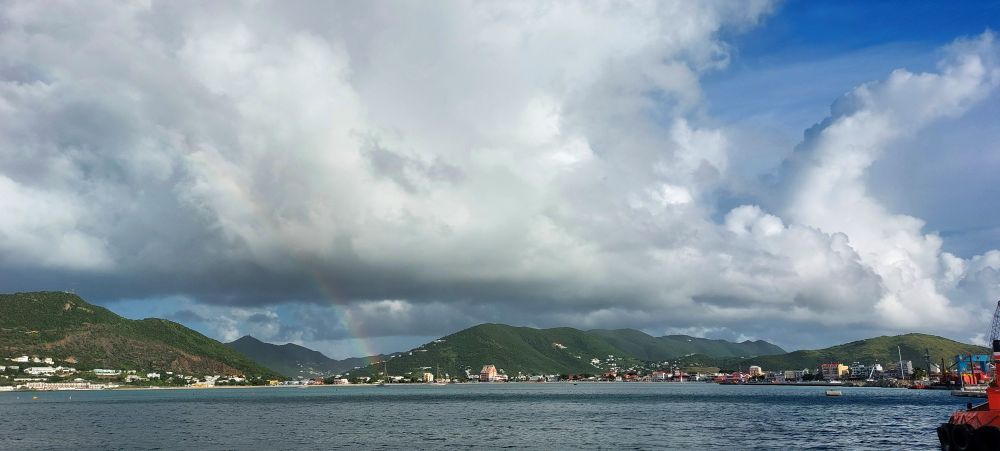
| Caribbean (St Martin, BVI, Puerto Rico) | 12–14 | Hot, sunny, swimming weather — beach days in November |
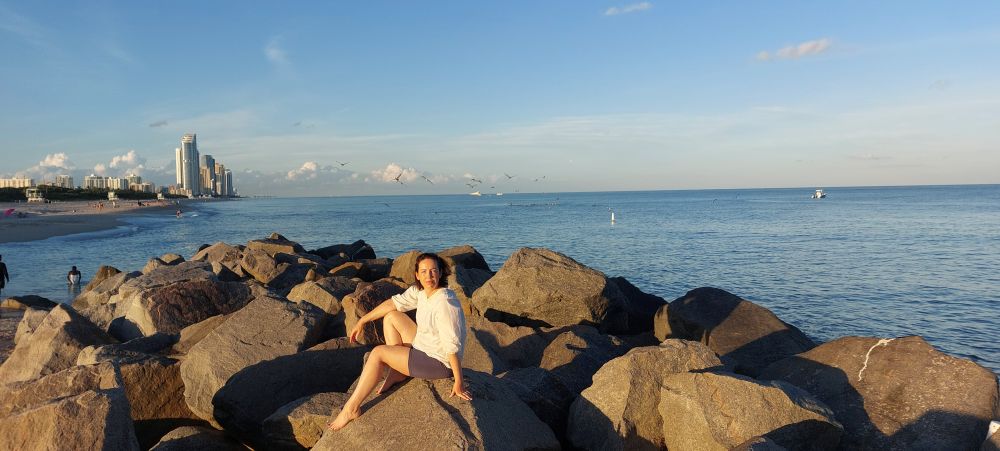
| Arrival Miami | 15–17 | Warm enough to swim on arrival — locals thought we were mad, we went in anyway |
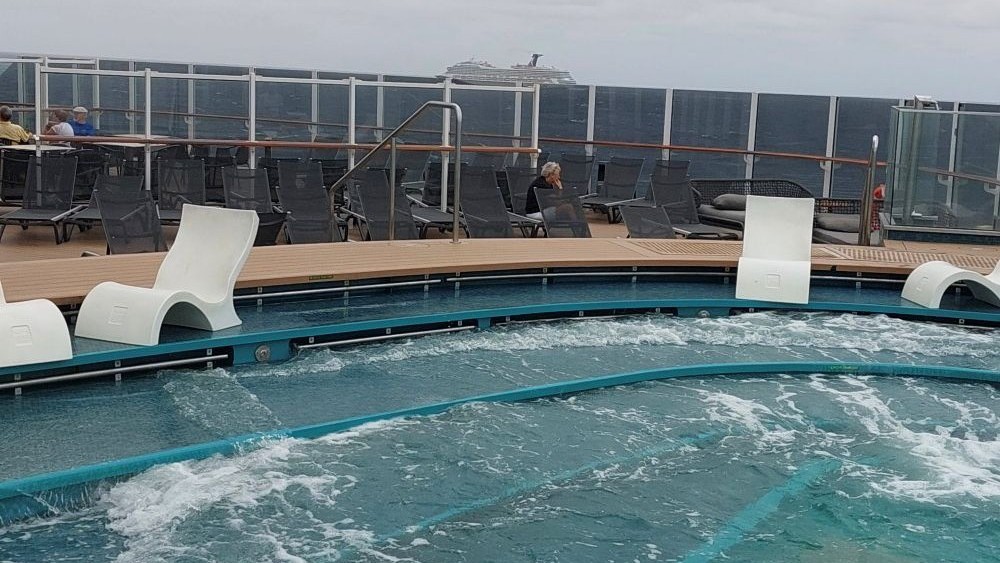
That’s the November crossing in one table: it starts as European autumn and ends as Caribbean summer, and the transition happens gradually under your feet. By mid-crossing, the pool deck was in full use in the middle of the ocean.
The honest night: yes, the Atlantic can move
One night mid-Atlantic, the swell picked up enough to make walking the corridors interesting. Nothing dangerous — the Seashore handles weather impressively for its size — but real enough that anyone prone to motion sickness should board with medication ready rather than hoping. One notable night out of seventeen is our honest tally; the rest of the crossing was calmer than we’d dared expect, including long stretches where we felt no movement at all.
What Ten Sea Days in November Feel Like
The crossing includes six consecutive days without land — the part people fear and, in our experience, the part they end up loving. November gives those days a particular character: the ship quieter than summer, the crowd skewing to couples and retirees with school long back in session, and the Atlantic itself grey, dramatic, and genuinely beautiful from the deck. There’s something about day after day of open ocean that resets you in a way port-hopping never quite does.
Practically, November sea days split between outdoor and indoor rhythms: the early days and the entire Caribbean half are pool-deck weather, while the open-ocean stretch rewards the theatre, the trivia, the gym with its ocean views, and a long book. Pack for both modes — swimwear and a proper jacket in the same suitcase — and the whole crossing works.
The November Trade-Offs, Honestly
Balance demands the other side. Days are shorter in November, so evenings come early on the open ocean — sunset deck time is a late-afternoon affair, not a nine-o’clock one. The first days out of Barcelona need a real layer, and anyone picturing seventeen days of tropical heat will find the first week merely pleasant rather than hot. And while the southern route dodges the worst of the season, autumn weather keeps its right to one rough night — ours came, made its point, and left.
None of it changed our verdict, but all of it belongs in the picture: November is the smart month for a crossing, not a guaranteed-flat one.
Who Should Book a November Crossing — and Who Shouldn’t
Book it if sea days sound like a feature: readers, deck-walkers, couples who want the slow version of travel, and anyone who sees six days of open ocean as the point rather than the price. Book it too if value decides things — nothing else at sea touches $63 per person per night with this much included.
Skip it if you need a port every morning to feel the trip is progressing, if serious motion-sickness worry would hang over six ocean days, or if your holiday picture is guaranteed heat from day one. A Caribbean loop in January will suit you better — and cost you roughly double per night.
FAQ: Transatlantic Cruises in November
What is the weather like on a transatlantic cruise in November?
It changes as you cross. The first days out of Barcelona are mild European autumn — a light jacket on deck. The Canary Islands stop brings warmth (low-to-mid 20s°C), and the second half runs through sunny, genuinely warm weather as you approach the Caribbean. We had one rough night out of seventeen; the rest was calm to barely noticeable.
Is a transatlantic cruise rough in November?
Mostly no — westbound crossings run a southern route past the Canary Islands precisely for gentler conditions, and hurricane season is winding down. We had one notably rough night out of seventeen; the rest ranged from calm to barely noticeable. Pack seasickness medication as insurance, not as a plan.
How cold is a transatlantic cruise in November?
Colder than you’d think at the start, warmer than you’d hope by the middle. Barcelona and the first sea days are mild European autumn — light jacket weather — while the Canaries sit in the low-to-mid 20s°C and the Caribbean half is hot swimming weather. Pack layers for the first week and summer clothes for the second.
Why are transatlantic cruises so cheap?
They’re repositioning voyages — the cruise line must move the ship from Europe to the Caribbean for winter regardless, so fares are priced to fill cabins on a one-way route. Our 17-night crossing cost $63 per person per night including all meals and entertainment, roughly half a comparable Caribbean loop.
When do transatlantic cruises sail?
Westbound (Europe to the Americas) in autumn, with November at the heart of the season; eastbound in spring, typically March to May. The schedule follows the ships’ seasonal migration between the Mediterranean summer and the Caribbean winter.
Can you swim on a November transatlantic cruise?
Yes — sooner than you’d expect. The southern route warms quickly after the Canary Islands, and by mid-crossing the pools and water park were in full use. The Caribbean ports and Miami arrival are proper swimming weather; we went in the sea in November while the locals watched in coats.
The Verdict: November Is the Month the Crossing Was Made For
A transatlantic cruise in November isn’t a compromise between seasons — it’s the season. The calendar that moves the ships also moves the price, the southern route trades drama for sunshine, and the quiet late-autumn ship suits the slow, resetting rhythm that makes a crossing special in the first place.
Pack a jacket for the first week and a swimsuit for the second, keep the seasickness tablets within reach for one night’s insurance, and let the Atlantic do what it did for us: turn seventeen days at sea into the trip we still measure the others against.