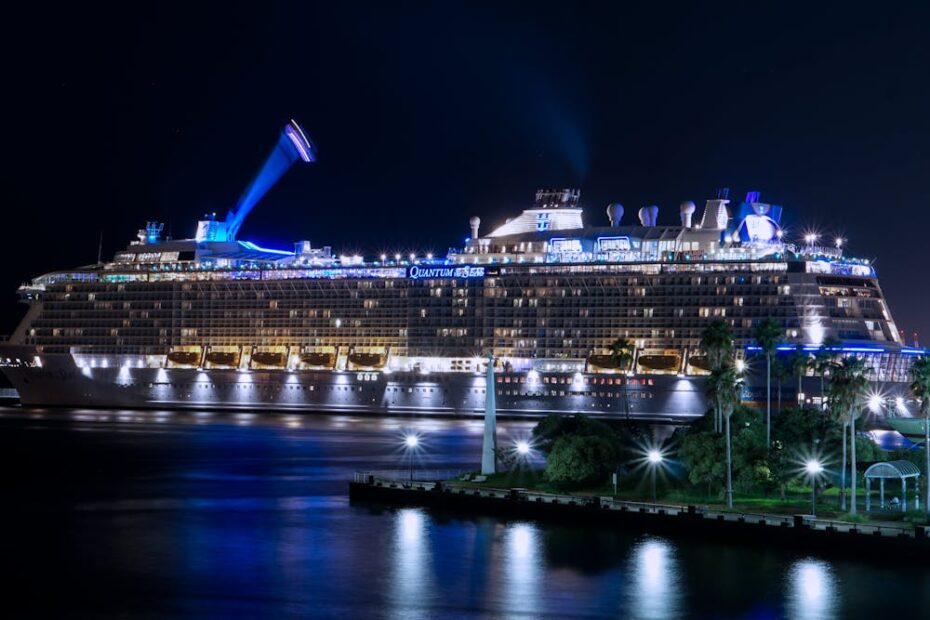
Before our Mexican Riviera cruise aboard the Discovery Princess, we thought we had the budget figured out. Cabin — checked. Flights to the port — checked. A little spending money for drinks — checked. What we hadn’t fully accounted for was the steady drip of extras that appear the moment you step onboard. By the end of the voyage, those “small” additions had added up to several hundred dollars we hadn’t planned for.
If you’re preparing for your first cruise — especially a Mexican Riviera or Caribbean sailing — this breakdown is for you. These aren’t obscure fees buried in the fine print. They’re the everyday extras that most cruise lines charge separately, and knowing about them upfront makes all the difference between a relaxing holiday and an anxious final billing review.
Quick overview: what’s typically included vs extra
Usually included: cabin, main dining room meals, buffet, most onboard entertainment, basic non-alcoholic drinks (water, coffee, tea)
For the full picture of what IS covered in your fare, see [what’s actually included in your cruise price].
Almost always extra: alcohol, Wi-Fi, gratuities, shore excursions, spa treatments, specialty restaurants, room service, medical care
Depends on the ship: laundry and ironing — on the Discovery Princess these were complimentary, which is not standard across all cruise lines
What Do You Have to Pay Extra For on a Cruise Ship?
Here are 11 costs you should budget for before you board.
1. Gratuities (Service Charges) — $14–18 per person, per day
This is the one that catches most first-timers off guard, because it’s not always obvious at booking. Cruise lines automatically add a daily gratuity charge to your onboard account — typically somewhere between $14 and $18 per person per day, depending on the cruise line and cabin category. On a 14-night transatlantic for two people, that’s $392–$504 before you’ve bought a single drink or booked a single excursion.
The charge is distributed among the crew members who serve you — cabin stewards, dining staff, and behind-the-scenes service teams. You can adjust the amount at guest services if you feel strongly, but the standard recommendation is to leave it as-is and tip additionally in cash for exceptional service. The easiest approach: factor this into your total cruise cost at the booking stage rather than treating it as a surprise at the end.
2. Wi-Fi and Internet Packages — $10–20 per device, per day
Internet access at sea costs extra on virtually every mainstream cruise line. Packages are typically sold by device and by day, or as a lump-sum for the full voyage. Basic packages (email and light browsing) sit around $10–15 per day; premium packages that support video calls and streaming run $18–25 per day.
One thing to know: satellite internet in the middle of the Atlantic is genuinely slow. Even the premium tier can struggle with video calls during peak hours. Our approach on longer crossings is to buy the basic package for essential communication and treat the open-ocean days as a proper digital detox — which, honestly, is one of the better parts of a transatlantic sailing. In European and Caribbean ports, most cafés and tourist areas offer free Wi-Fi, so you can catch up properly ashore.
3. Beverage Packages — $25–55 per person, per day
Basic non-alcoholic drinks — water, coffee, tea, juice at breakfast — are generally included. Everything else is extra. Cruise lines sell beverage packages at different tiers:
| Package tier | Typical daily cost | What’s covered |
|---|---|---|
| Soft / non-alcoholic | $25–33 | Sodas, juices, specialty coffees, sometimes beer & wine |
| Easy / classic | $35–42 | Beer, house wine, standard cocktails |
| Premium | $45–55 | Premium spirits, cocktails, wines, specialty coffee |
One important rule: all guests sharing a cabin must purchase the same package level. If you drink more than 3–4 drinks per day, a package typically pays off. If you’re a light drinker, paying per drink usually works out cheaper. Many cruise lines allow you to pre-purchase packages before boarding at a discounted rate — check your booking portal a few weeks before departure.
A budget-friendly tip: in most Caribbean and European ports, you can buy canned drinks, water, and wine at supermarkets and bring them back aboard (in non-glass containers). We’ve saved a noticeable amount this way on longer sailings.
4. Shore Excursions — $50–180+ per person
This is where cruise budgets can spiral fastest — and where we have real numbers to share. On our Mexican Riviera sailing aboard the Discovery Princess, we booked a ship-organised excursion in Puerto Vallarta that came to $100 per person. For two people, that’s $200 for a single port stop — before you’ve had lunch or bought anything ashore.
Read our full [Discovery Princess Mexican Riviera review] for the complete port-by-port breakdown.
Was it worth it? In Puerto Vallarta, yes. The port area is manageable independently, but the ship excursion took us to spots we wouldn’t have easily reached on our own, and the timing was reliable. The ship waits for its own excursion groups — if traffic or a delay runs long, you won’t miss departure. That peace of mind has real value when you’re in an unfamiliar port.
That said, $100 per person is firmly at the upper end of what ship excursions typically cost. A half-day tour booked through a local operator or a platform like GetYourGuide or Viator often runs $50–70 for something comparable. For ports where you’re comfortable navigating independently — especially well-touristed stops with reliable taxis — independent booking saves real money. The key is doing the research before you sail, not scrambling at the excursion desk once you’re onboard.
5. Specialty Dining — $40–80 per person
Beyond the main dining room and buffet, cruise ships offer specialty restaurants — Italian, Japanese, steakhouse, seafood — that charge a cover fee or set menu price. These typically run $40–80 per person for dinner. For a couple on a 14-night sailing, visiting two or three specialty restaurants adds $160–480 to the bill.
Many cruise lines sell dining packages that bring the per-restaurant cost down if you plan ahead. For a special occasion or a sea day when the main dining room feels ordinary, specialty restaurants offer a genuinely different experience — quieter, more attentive, smaller menus. Worth building one or two into the budget rather than being surprised by the charge mid-voyage.
6. Spa and Wellness Treatments — $80–200+
Onboard spas are full resort-style facilities, with pricing to match. Common costs include:
| Treatment | Typical price |
|---|---|
| 60-min massage | $100–150 |
| Day spa / thermal suite pass | $35–70 per person |
| Facial or body treatment | $100–200 |
If spa time matters to you, look for deals on port days — when many passengers are ashore, spas often offer reduced rates to fill the schedule. Buying a voyage-long thermal suite pass at the start of the cruise is usually better value than single-day access.

7. Premium Activities and Fitness Classes — $10–100
Most onboard activities are included — pools, shows, deck games, standard gym access. But a few extras require payment: racing simulators ($10–15 per session), go-kart tracks ($15–20), specialty fitness classes like yoga or spin ($20–40), and personal training sessions ($75–100 per hour). If you plan to use the gym daily but prefer classes over solo workouts, it’s worth checking your specific ship’s schedule and pricing before boarding.
8. Room Service — $3–8 delivery fee
Late-night snacks or breakfast in bed come with a delivery charge on most mainstream cruise lines — typically $3–8 per order. Some premium suite categories include complimentary room service as a perk. The simplest workaround: a quick trip to the buffet. Many passengers keep a small stock of snacks from port supermarkets in the cabin for exactly this reason.
9. Laundry Services — $3–12 per item on most ships
On most mainstream cruise lines, laundry is charged per item and adds up faster than you’d expect:
| Item | Typical price |
|---|---|
| T-shirt / blouse | $3–6 |
| Trousers / jeans | $5–8 |
| Dress | $8–12 |
| Jacket / blazer | $7–10 |
One notable exception: on the Discovery Princess, laundry and ironing were complimentary — a genuine perk that we hadn’t expected and appreciated on a longer sailing. This is not standard across the industry, so don’t assume it carries over to other ships. Before packing, check your specific ship’s policy. If laundry is charged, the most economical workarounds are hand-washing small items in the cabin sink overnight, or using self-service laundry rooms (coin-operated machines available on some ships) rather than the valet service.enses.
10. Medical Care — $100–150+ per consultation
Cruise ships have qualified medical staff and proper facilities onboard — but none of it is covered by your fare. A standard consultation runs $100–150; X-rays are in the same range; medications are charged at onboard pharmacy prices. For serious incidents requiring evacuation, costs can reach tens of thousands of dollars.
Comprehensive travel insurance is non-negotiable for any cruise. Look specifically for a policy that covers medical evacuation at sea — standard travel insurance sometimes excludes this. Buy it before departure; policies purchased after a medical issue arises won’t cover that condition.
11. Professional Photography — $15–20 per photo, packages from $150
Ship photographers capture portraits, dinner moments, and candid shots throughout the voyage. Individual prints or downloads typically cost $15–20 each; full voyage photo packages start around $150 and include digital access to everything taken during your cruise. For families or couples who want professional documentation of a milestone trip, the package is usually good value. For everyone else, your phone camera covers it — there are no restrictions on personal photography anywhere on the ship.
Full Cost Breakdown: What to Budget For
Here’s everything in one place, based on a 14-night sailing for two people. Use these as planning numbers — your actual costs will depend on your cruise line, itinerary, and how much you use each service.
| Extra cost | Typical daily rate (per person) | 14-night estimate (2 people) | Skip it if… |
|---|---|---|---|
| Gratuities | $14–18 | $392–504 | Already pre-paid at booking |
| Wi-Fi (basic) | $10–15 | $140–210 each | You’re happy offline at sea |
| Beverage package (classic) | $35–42 | $980–1,176 | You drink fewer than 3–4 drinks/day |
| Shore excursions | Varies by port | $300–800+ total | You book independently |
| Specialty dining (2 visits) | — | $160–320 | Main dining room is enough |
| Spa (1 treatment each) | — | $200–300 | Not a priority for you |
| Laundry & ironing | — | $30–80 per bag (free on Discovery Princess) | Check your ship’s policy before packing |
| Medical / travel insurance | — | $80–200 (pre-trip) | Never skip this one |
| Conservative total (2 people) | — | $1,500–2,500+ | — |
How to Keep These Costs Under Control
Pre-book before you board
Most cruise lines offer pre-cruise sales on beverage packages, specialty dining credits, and internet bundles. Prices onboard are consistently higher than the same items purchased through your booking portal in the weeks before departure. Set a reminder to check 4–6 weeks before sailing.
Use ports for what the ship charges for
Wi-Fi in port is usually free. Drinks and snacks from port supermarkets cost a fraction of onboard prices (skip glass containers — most cruise lines prohibit them). A short supermarket stop in the first port can cover your cabin snacks, water, and a few bottles of wine for the entire voyage.
For shore excursions, research beats impulse
The excursion booking desk onboard is convenient, but the prices reflect that convenience. GetYourGuide, Viator, and local operators at the dock generally offer comparable or better experiences at lower prices. Research each port before you sail, book the ones that matter, and leave a realistic time buffer for returns.
Track your onboard spending in real time
Most cruise lines now have apps that show your running onboard account balance. Check it every couple of days rather than waiting for the end-of-voyage statement. Small charges accumulate quietly — a $6 cocktail here, a $4 room service delivery fee there — and it’s much easier to adjust spending mid-voyage than to be shocked at checkout.
Frequently Asked Questions
How much spending money do I need for a 7-day cruise?
As a baseline, budget $100–150 per person per day on top of your cruise fare to cover gratuities, drinks, one or two shore excursions, and incidentals. That puts a 7-day trip for two at roughly $1,400–2,100 in extras. If you pre-purchase a beverage package and skip spa treatments, you can bring that down significantly.
Can you avoid paying gratuities on a cruise?
Technically yes — you can request to have automatic gratuities removed at guest services. In practice, most experienced cruisers leave them in place, because the tips go directly to crew members whose base wages assume that gratuity income. If you had a genuinely poor experience in a specific area, a more targeted conversation with management is usually more appropriate than removing all gratuities.
Is a cruise drink package worth it?
It depends entirely on your drinking habits. If you have 3–4 drinks a day (including specialty coffees, juices, sodas, and alcoholic drinks), a classic package typically breaks even or saves money. Light drinkers and those who plan to spend most of their time in ports are usually better off paying per drink. The key is being honest about your own patterns before deciding.
Are cruise ship shore excursions worth the cost compared to going independently?
Ship excursions offer one thing independent tours can’t: a guaranteed return. If an official excursion runs late, the ship waits. If your independent tour runs late, you may miss departure. In straightforward ports with reliable transport, independent tours can save 30–50%. In complex or remote ports, the peace of mind from a ship excursion is usually worth the premium.
What happens if you need medical care on a cruise ship?
Every cruise ship has a medical centre staffed by qualified doctors and nurses. Consultations typically cost $100–150 and are charged to your onboard account. Medications and procedures are additional. This is why travel insurance with medical evacuation cover is essential — a serious incident requiring airlifting to a mainland hospital can cost tens of thousands of dollars without coverage.
Do all cruise lines charge for Wi-Fi?
Yes — Wi-Fi is an extra cost on virtually all mainstream cruise lines including MSC, Royal Caribbean, Norwegian, and Carnival. Some luxury lines (like Regent Seven Seas or Silversea) include it in their fares, but these lines also price significantly higher overall. If staying connected matters to you, factor $10–20 per day per device into your budget, or plan to use free port Wi-Fi during stops.
Is a Cruise Still Worth It?
Absolutely — but only if you go in with an honest budget. The accommodation, main meals, entertainment, and transportation between destinations are all genuinely bundled into the base fare, which gives cruises strong value for multi-destination travel. The extras listed above don’t negate that; they’re part of any honest cruise cost calculation.
If this is your first cruise, our [5 tips for first-time cruisers] will help you prepare for exactly these decisions.
The cruisers who end up disappointed are usually the ones who budgeted only for the ticket price and hit a wall of unexpected charges once onboard. The ones who have a great time are those who picked the extras that mattered to them — maybe a drink package, definitely travel insurance, one or two excursions per port — and ignored the rest.
Know the full cost going in, decide which extras are worth it to you, and a cruise delivers exceptional value for money. That’s been our experience, and it’s why we keep booking them.
And if you’re still on the fence, see [6 reasons we keep booking cruises after 4 sailings].
Featured photo from Pexels.