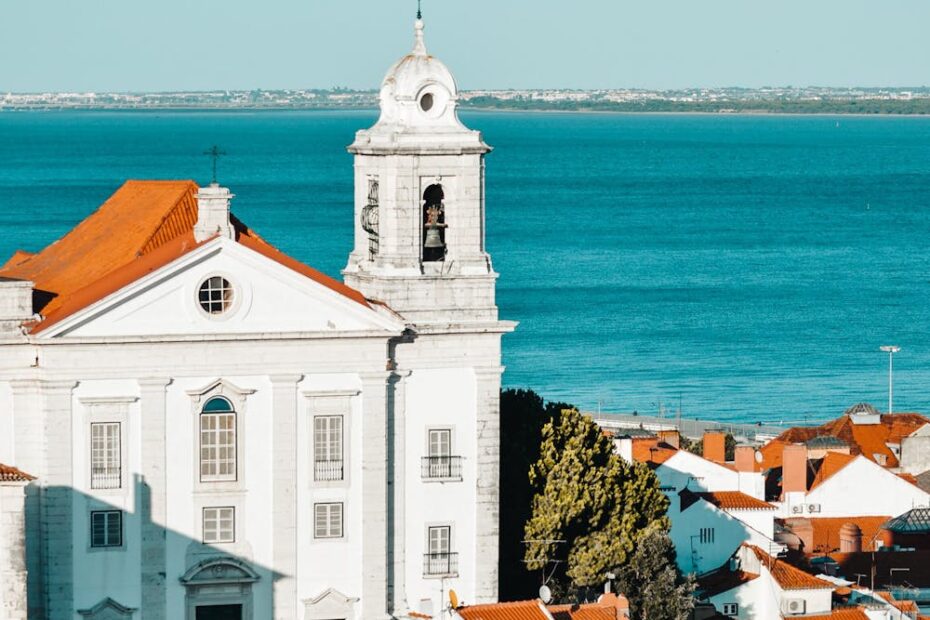
Lisbon stopped me in my tracks. In May 2024, I arrived by plane — but what I found was one of the most atmospheric places I’ve visited anywhere. The hills, the tiled buildings, the fado drifting out of open doorways, the Atlantic light. Lisbon is also one of the [45 European cruise ports where you can walk straight into the city] — and one of the best — making it an ideal stop for cruise passengers who want to make the most of a single day ashore.
One practical advantage cruise ports have over airports: they’re almost always central. From Lisbon’s cruise terminal, the old town is within easy reach — no long transfer, no wasted time. Here’s how to use the day well.
Getting Around Lisbon: Bolt, Uber, and Tram 28
Before anything else: download Bolt if you haven’t already. The same app that works in Latvia works in Portugal, and Bolt taxis in Lisbon are fast, affordable, and considerably more practical than public transport for longer distances. A 20-minute ride costs around €10. For Sintra or Cascais, a rideshare is often the most sensible option.
For the city itself, Tram 28 is the iconic choice — and genuinely useful, not just a tourist gimmick. The vintage tram winds through Lisbon’s most interesting neighbourhoods and stops at or near most of the major sights. The catch: it gets crowded. If you want a seat, board at one of the terminus points — Martim Moniz or Campo de Ourique — and go early. A day public transport ticket covers unlimited rides and is worth buying if you plan to use the tram more than once.

Lisbon: What to See on a Cruise Stop
Alfama — The Old Heart of the City
Alfama is where Lisbon feels most like itself. It’s the oldest district in the city — narrow cobbled streets, laundry hanging between windows, the sound of fado from bars that open at noon. The Santa Luzia viewpoint gives you a sweeping panorama over the rooftops and the Tagus river. Allow at least an hour here, more if you like to wander slowly.
Graça and the Best View in Lisbon
From the Graça tram stop, it’s a short walk to the Senhora do Monte viewpoint — the highest in the city. The view takes in the whole of Lisbon, the river, and on a clear day, the hills beyond. Worth the detour.
Sé Cathedral and the Historic Centre
The Sé Cathedral is Lisbon’s oldest and most imposing church, built in the 12th century on the site of a former mosque. From there, the Baixa district — grand squares, pedestrian streets, and the Rua Augusta triumphal arch — is a short walk downhill. The Chiado neighbourhood above it has the best cafés.
Tram 28 Route at a Glance
| Stop | What to see |
| Alfama | Old town, fado bars, Santa Luzia viewpoint |
| Graça | Senhora do Monte — highest viewpoint in Lisbon |
| Sé | Lisbon Cathedral — 12th century, impressive architecture |
| Baixa / Chiado | Grand squares, Rua Augusta arch, cafés |
| Estrela | Basilica, quieter neighbourhood feel |
| Campo de Ourique | Local neighbourhood, good terminus for avoiding crowds |

Sintra: A Full-Day Excursion Worth Every Minute
If your cruise gives you a full day in Portugal, go to Sintra. Nothing else comes close. The town sits in forested hills above the coast, and the palaces that crown those hills look like something from a fairy tale — which is not an exaggeration.
The Palaces
Pena Palace (Palácio da Pena) is the one everyone photographs — vivid colours, towers, battlements, and views across the hills to the Atlantic. It’s extraordinary and earns the queue. The Moorish Castle (Castelo dos Mouros) nearby offers ancient ruins and equally dramatic views.
Lower in the town, the Sintra National Palace (Palácio Nacional de Sintra) is more accessible and architecturally distinctive — two enormous conical chimneys mark it from across the valley.
Quinta da Regaleira — My Choice for the Day
I had one day and one palace to choose. My tuk-tuk driver recommended Quinta da Regaleira, and it was the right call. It sits at the lower edge of town rather than on the hilltop, which makes it easier to reach and less crowded than Pena. The gardens are some of the most beautiful I’ve seen anywhere — romantic, overgrown in the best sense, full of grottoes and fountains and hidden paths.
The highlight is the Initiation Well (Poço Iniciático) — a spiral staircase descending through nine levels into the earth, connected to a network of underground tunnels. It’s genuinely mysterious and unlike anything I’d encountered before. Allow at least two hours here.
Getting Up the Hill: Take the Tuk-Tuk
The hill up to the palaces is steep and genuinely tiring in warm weather. I took a tuk-tuk both up and down — around €10 up, €5 down. The driver gave a brief history of the town and palaces on the way up, which was worth the ride on its own. Don’t try to walk it if time is limited.
Dinner on the Way Back: Azenhas do Mar
On the drive back towards Lisbon, I stopped for dinner at a fish restaurant on the Atlantic cliff edge at Azenhas do Mar. It’s well-known — the waiter sighed when I asked for a table, but I got one. Fresh fish, wine, dessert, and the sun going down over the Atlantic. Around €50 per person. It was one of the best meals of the trip.
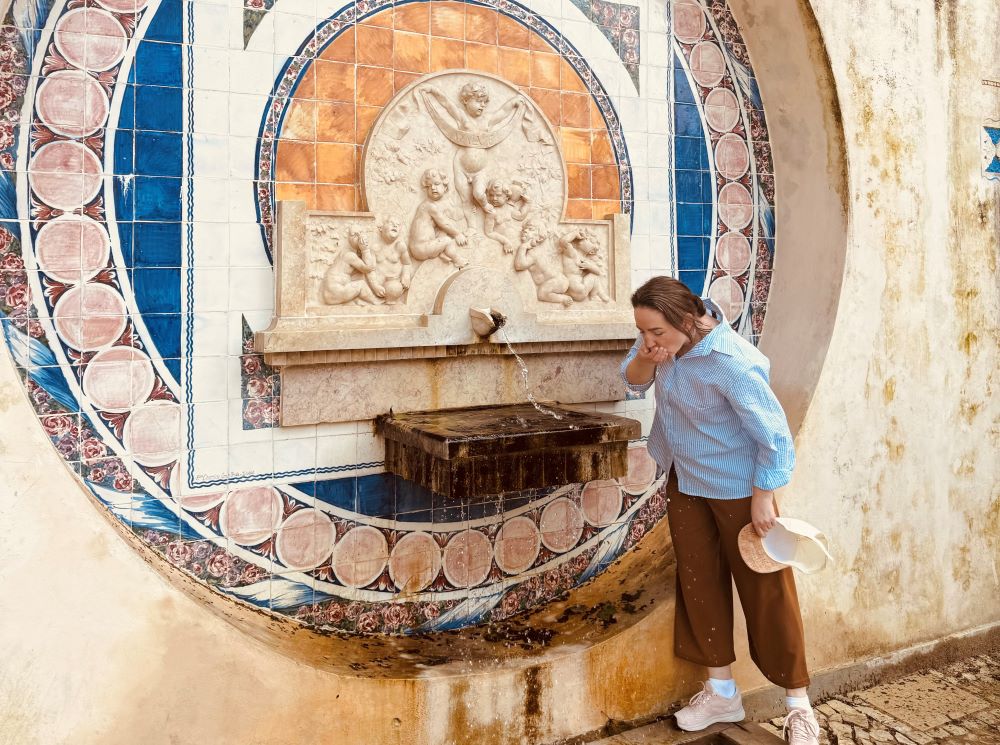
Cascais: The Quieter Alternative to Sintra
If Sintra sounds too busy or you’ve been before, Cascais is the other excellent option for a full day from Lisbon — a small, elegant coastal town with considerably fewer tourists and a completely different character.
The Coastal Walk
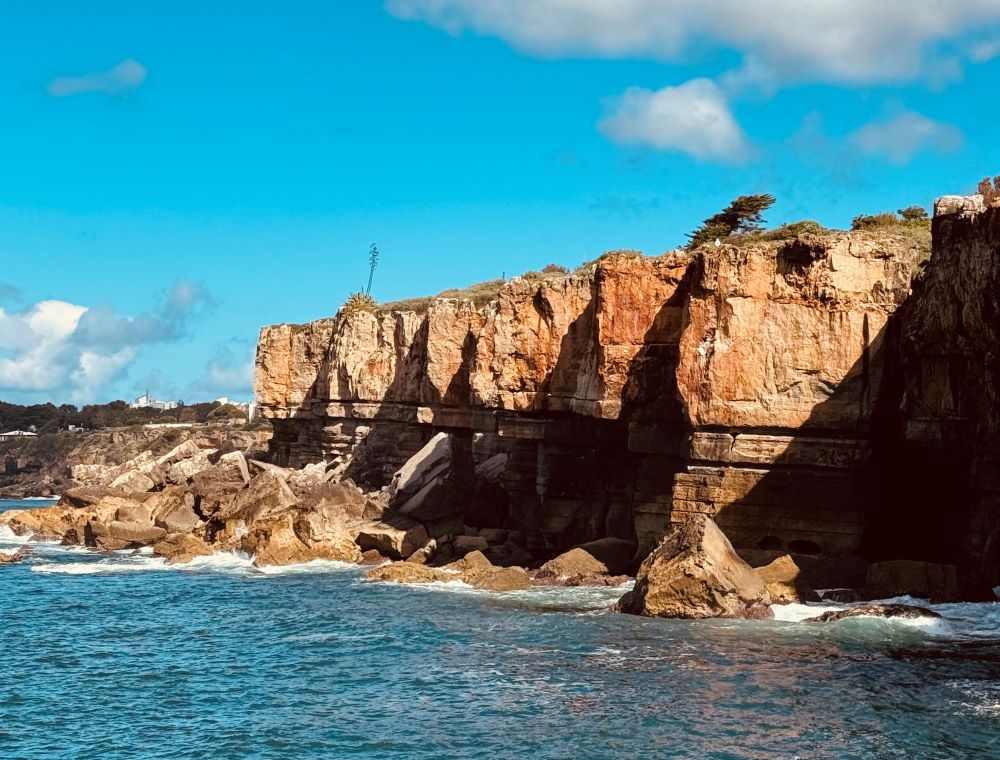
I started at Marina de Cascais and walked west along the Atlantic coast to the Cabo Raso lighthouse. The walk follows clifftop paths above black rocks with the full Atlantic crashing below — one of the more dramatic coastal walks I’ve done in Europe. Along the way:
- Boca do Inferno (Hell’s Mouth) — a rock formation carved by the sea, dramatic at any time but spectacular in rough weather
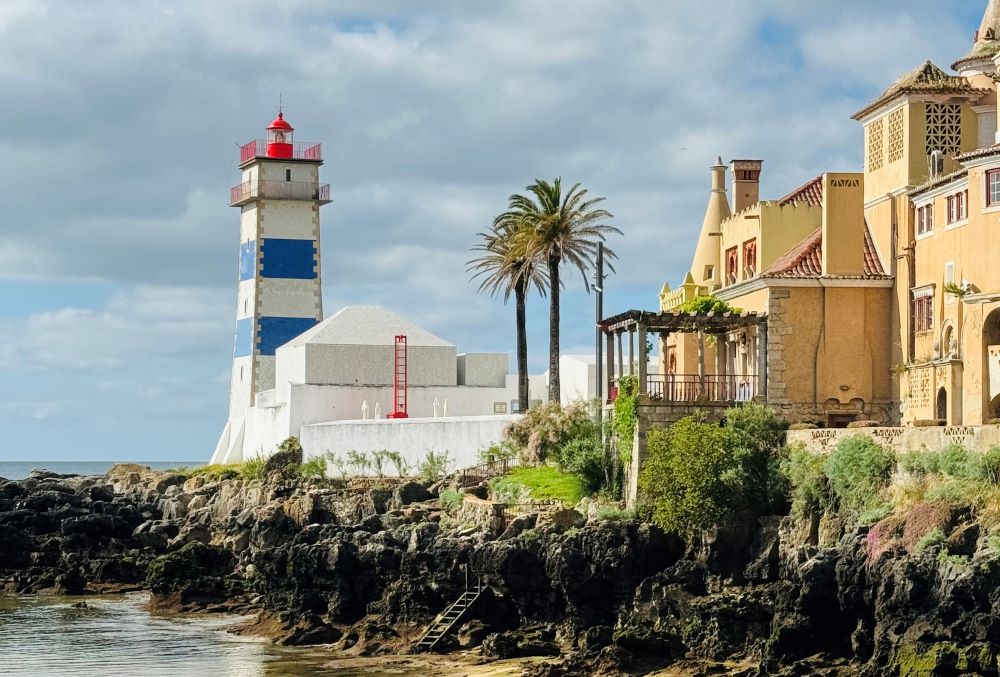
- Santa Marta Lighthouse — small and photogenic, with an attached museum
- Palácio dos Condes de Castro Guimarães — a 1900 revival-style palace with collections of paintings, artefacts, and rare books
The Town
Back in Cascais itself, the old town has narrow streets, good cafés, and the Citadela de Cascais — a 15th-century fortress that once guarded the fishing harbour. It’s a genuinely pleasant place to end the afternoon before heading back to Lisbon.
Portugal: Real Costs
| Expense | Cost |
| Bolt taxi (20-min ride in Lisbon) | €10 |
| Tram 28 single ticket | €3.10 |
| Tuk-tuk up the hill in Sintra | €10 |
| Tuk-tuk down the hill | €5 |
| Quinta da Regaleira entry | €12 |
| Sangria in Sintra café | €8 |
| Dinner at Azenhas do Mar (wine, fish, dessert) | ~€50 pp |
Tip: Bolt and Uber prices vary by time of day — mornings tend to be cheaper than late afternoon when demand rises.
FAQ: Lisbon Cruise Port
How far is the Lisbon cruise terminal from the city centre?
The main Lisbon cruise terminal (Santa Apolónia or Jardim do Tabaco) is very centrally located — Alfama and the historic centre are within walking distance or a short Bolt ride. Unlike many ports, you don’t need to budget significant time for the transfer from ship to city.
Is Sintra worth a day trip from a cruise ship?
Yes, if you have a full day in port. Sintra is around 40 minutes from Lisbon by train or rideshare. Allow at least 3–4 hours in Sintra itself — more if you plan to visit multiple palaces. Factor in travel time and aim to leave Lisbon by 9:00 AM to make the most of it.
Which Sintra palace should I visit if I only have time for one?
Quinta da Regaleira for gardens, mystery, and atmosphere. Pena Palace for the classic fairy-tale photographs and hilltop views. Quinta da Regaleira is at lower altitude and easier to reach without the tuk-tuk, making it the better choice if you’re short on time.
Is Tram 28 worth taking in Lisbon?
Yes — it’s genuinely useful for seeing the city, not just a tourist attraction. The route covers Alfama, Graça, the cathedral, and Baixa. The main challenge is the crowds: go early and board at the terminus to get a seat.
What is Cascais like compared to Sintra?
Completely different. Sintra is about hilltop palaces and romantic forest landscapes. Cascais is a coastal town with a marina, clifftop walks, and a relaxed atmosphere. Cascais has far fewer tourists than Sintra and suits travellers who prefer walking and scenery over palace visits.
How much should I budget for a day in Portugal from a cruise ship?
For Lisbon only: €20–€40 covers transport, lunch, and a museum or two. For Sintra: add €30–€50 for entry fees, tuk-tuk, and food. For a dinner at a good restaurant on the way back, budget another €40–€60 per person. In total, a full day in Portugal with Sintra typically costs €80–€120 per person including all transport.
Is Portugal Worth a Cruise Stop?
Unquestionably. Lisbon is one of the most rewarding ports on the European cruise circuit — and if you’re sailing the Mediterranean, it often appears on the itinerary alongside ports like Rome, Barcelona, and Dubrovnik. We covered the full experience in our [MSC Fantasia Mediterranean cruise review].
The one thing I’d say to anyone doing Portugal as a cruise port: don’t spend the whole day in Lisbon. Get on a tuk-tuk to Sintra, find a table at a clifftop fish restaurant on the way back, and watch the sun go down over the Atlantic. That’s Portugal at its best.
Featured photo from Pexels