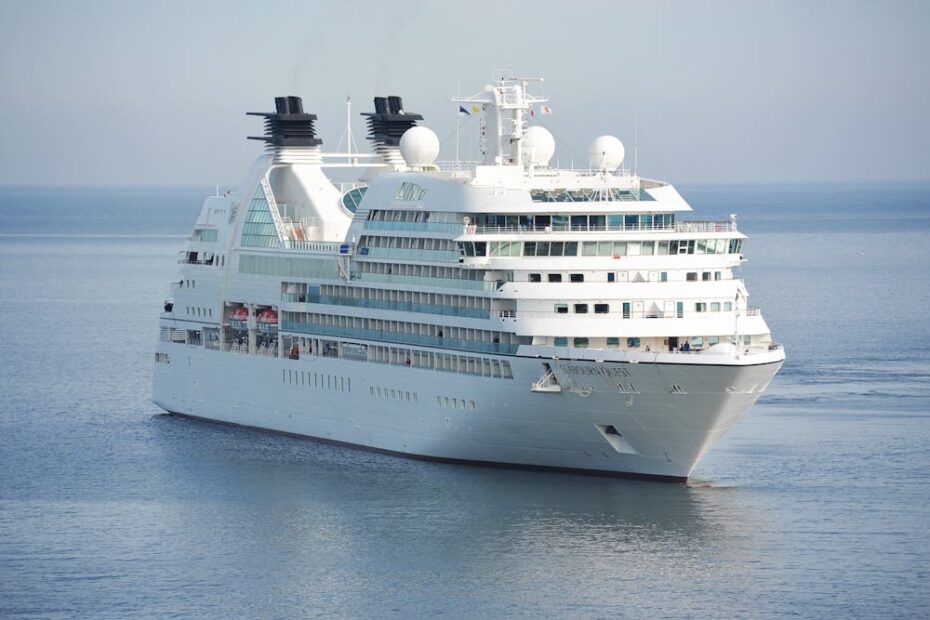
More than 34 million people went on a cruise in 2024 — and with nearly 38 million expected to set sail in 2025, the industry is bigger than ever. If you’ve just booked yours, you’re in excellent company. But once the excitement of booking settles, it’s easy to feel overwhelmed by everything that needs to happen before you actually step on board.
This step-by-step guide covers everything we’ve learned from our own cruise sailings: what to do as soon as you book, what to pack, how payments work on board, and how to make the most of your time in port. Whether it’s your first cruise or you just want a refresher, keep this checklist handy..
Step 1: Complete Your Online Check-In
After booking, you’ll receive an email from the cruise line with instructions for online check-in. Don’t put this off — popular time slots fill up quickly, and your assigned boarding time affects how smoothly you arrive at the port.
The check-in process is straightforward: you’ll fill in passenger details, upload a photo of yourself, and confirm your travel companions. The cruise line uses this to create your onboard identification. Your ticket will also specify your assigned boarding window — stick to it, as arriving too early or too late can cause unnecessary delays.

Step 2: Download the Cruise Line App
Every major cruise line has its own app, and it’s genuinely indispensable. Use it to view your daily itinerary, book shore excursions, reserve dinner times at speciality restaurants, and check what entertainment is on each evening. The app also serves as your communication tool at sea — since internet access is either unavailable or sold as an add-on, the ship’s internal messaging works through the app. Many cruise lines also require you to complete the final stage of check-in through the app, so download it well before departure
Step 3: Book Flights and Pre-Cruise Accommodation
Once your cruise is booked, sort your flights as soon as possible — especially if you’re travelling to a port city abroad. Flights to cruise hubs like Barcelona, Miami, or Rome fill up fast in peak season.
Our strong recommendation: arrive in the departure city at least one day before the cruise. Flights get delayed or cancelled, and missing your ship’s departure means expensive last-minute travel to catch it at the next port. A night in the port city is cheap insurance. We’ve done this before every cruise and it’s always been worth it.
Step 4: Sort Your Travel Documents
Check that you have everything in order well before your trip — don’t leave this to the last week:
- Cruise booking confirmation and e-ticket
- Valid passport (check expiry — most countries require at least 6 months validity)
- Visas for any ports of call that require them
- Travel insurance documents
- Flight and hotel confirmations
Keep both printed and digital copies. We save everything to a shared folder in the cloud — that way, even if a phone dies, everything is accessible from any device.
Travel Insurance
Don’t skip travel insurance for a cruise. Look for a policy that covers medical expenses, emergency evacuation, trip cancellation, and lost luggage. Cruise-specific policies are available from most major providers and are worth the extra cost. Medical care on board and medical evacuations at sea are extremely expensive without coverage.
Step 5: Arriving at the Port
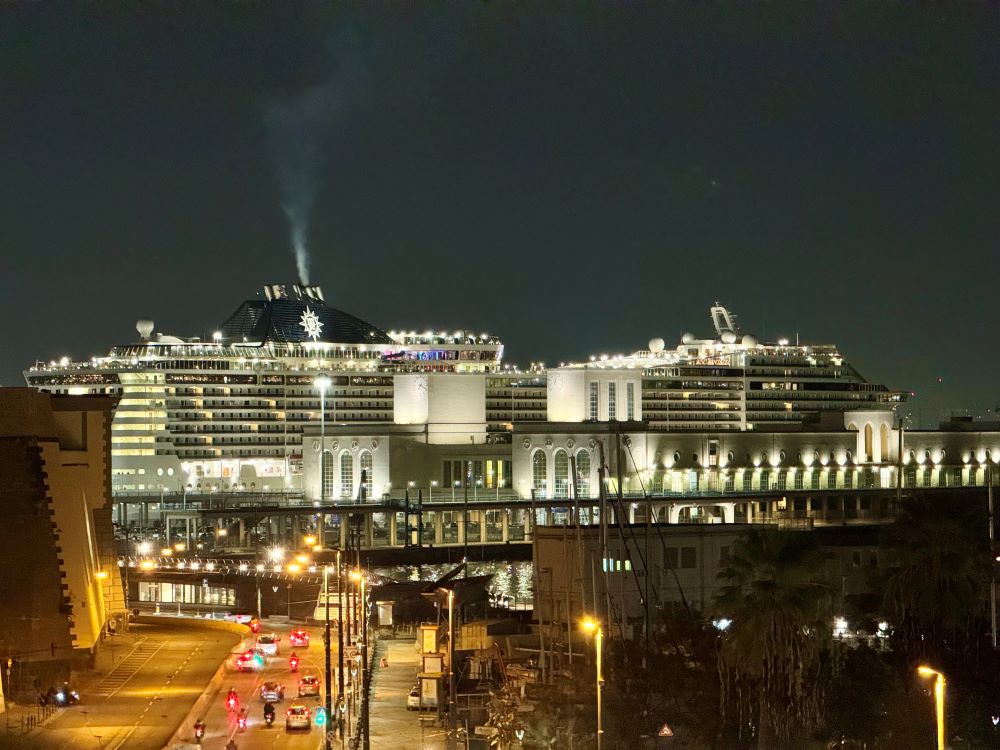
Arrive at your designated boarding time — not too early, not too late. The port check-in process involves passport and ticket verification, a security check, and a photo for your cabin card.
One important tip: leave your large suitcases at the luggage drop before boarding. They’ll be delivered directly to your cabin door within a few hours. In the meantime, carry a small backpack with everything you’ll need for the first few hours: travel documents, medications, phone charger, and a change of clothes if your suitcase takes a while to arrive.
Step 6: Understand How Onboard Payments Work
There’s no cash or contactless payment on a cruise ship — everything goes through your cabin card. When you board, you’ll receive a card that opens your cabin door and also functions as your onboard wallet.
To load funds onto it, you have two options: link a credit card via the cruise app before or after boarding, or deposit cash at the ATM machines on board. Any unspent balance can be withdrawn on the last day of the cruise. It’s worth keeping an eye on your spending through the app — it’s easy to accumulate charges without noticing.

Step 7: Plan Your Shore Excursions
This is where you can save a significant amount of money with a little planning. There are three main ways to explore each port:
Option 1: Cruise Line Excursions
The most convenient option — everything is organised, the ship waits if the excursion runs late, and guides are vetted. The downside: it’s consistently the most expensive choice. On our Discovery Princess sailing along the Mexican Riviera, a ship-organised excursion in Puerto Vallarta cost $100 per person — which is typical for cruise line pricing in that region.
Option 2: Independent Tour Operators
Platforms like GetYourGuide and Viator offer the same excursions at lower prices. Outside of Europe, local guides often meet passengers at the port with offers that can be even cheaper. This approach requires a bit more organisation, but the savings add up over a multi-port cruise.
Option 3: Explore on Your Own
Our favourite option in European ports. Many cruise ships dock close to the city centre, and with Google Maps and public transport, you can cover a lot of ground independently. A useful resource is whatsinport.com — it has details on walking distance, public transport, and key sights for virtually every cruise port in the world.
Approximate Excursion Cost Comparison (per person)
| Option | Typical Cost | Notes |
| Cruise line tour | from ~$100 per person | Most convenient; ship waits for you |
| GetYourGuide / Viator | €40–€80 per person | Good selection; book in advance |
| Local port guides | €30–€50 per person | Cheaper outside Europe; negotiate at the port |
| Self-guided / public transport | €0–€10 per person | Best for European ports; needs planning |

Step 8: Pack Smart
Packing for a cruise has a few unique considerations compared to a regular holiday. You’ll need clothing for multiple dress codes — casual daywear, comfortable walking shoes for ports, and something smarter for dinner. Most cruise lines have at least one or two formal nights, so check your specific line’s dress code in advance.
A few things worth remembering:
- Heaters, candles, and irons are not allowed on board — fire risk
- Bringing alcohol on board is generally prohibited (check your cruise line’s policy)
- Sharp objects may be confiscated at the port security check
- Pack a universal travel adapter — outlet types vary depending on the ship
What to Keep in Your Carry-On Bag
Your large suitcase will be taken at the port and delivered to your cabin later — sometimes hours after boarding. Pack a day bag with: travel documents, medications, phone and charger, a light layer or change of clothes, cash or cards for port stops, and any valuables you don’t want to leave in checked luggage.
Step 9: Your First Day on Board
The first day sets the tone for the whole trip. Once on board, head to the buffet — it’s usually open immediately and is a great way to start exploring. From there, walk around the ship to get your bearings. This saves a lot of confusion later in the week.
One thing that’s mandatory: the safety briefing (also called the muster drill). All passengers are required to attend before the ship sets sail. On most modern ships it’s handled through the app and a short in-person check-in at your designated muster station — it takes about 15 minutes and is worth taking seriously.
Use the app to check that day’s entertainment schedule and book any shows or restaurants for the week. Popular slots fill up fast, especially on the first day.

FAQ: Cruise Preparation
How early should I arrive at the cruise port?
Aim to arrive at your designated boarding time, which is assigned during check-in. Most passengers are told to arrive 1–2 hours before the ship departs. If you’re flying in, we recommend arriving in the port city the day before to avoid any risk from delayed flights.
Do I need a passport for a cruise?
In most cases, yes — especially for international itineraries. Even for some domestic cruises, a passport is strongly recommended as it gives you more options if you miss the ship and need to fly to the next port. Check visa requirements for each port on your itinerary well in advance.
How much cash should I bring on a cruise?
Very little cash is needed on the ship itself, as everything is charged to your cabin card. However, bring local currency for port visits — many smaller markets, taxis, and street food stalls don’t accept cards. We typically bring around €20–€30 per port day, which covers transport, a coffee, and any small purchases.
Can I bring my own alcohol on a cruise?
Most cruise lines prohibit bringing alcohol on board. Some allow a small amount of wine or champagne at embarkation. Check your specific cruise line’s policy — security at the port will confiscate anything that isn’t permitted.
What should I do if I miss the ship at a port?
This is why travel insurance matters. If the ship leaves without you (due to a delayed excursion or getting lost), you’ll need to cover your own travel costs to reach the next port. Cruise line excursions have a built-in advantage here: if their excursion runs late, the ship waits. Independent travellers take that risk themselves.
Is it worth booking excursions in advance?
Yes, especially for popular ports and limited-capacity tours. Cruise line excursions can be booked through the app before departure. For independent bookings on GetYourGuide or Viator, we always book at least a week before the cruise to avoid sold-out slots.

Ready to Cruise?
Preparing for a cruise doesn’t need to be stressful — it mostly comes down to a few key steps: check in early, download the app, sort your documents, arrive the day before, and decide how you want to spend your time in each port.
The biggest money-saving decisions happen before you board: booking independent excursions rather than ship tours and arriving a day early to avoid expensive last-minute travel chaos. Everything else on board is genuinely easy — the ship handles most logistics, and once you’re sailing, you’ll wonder why you were ever nervous.
Have any questions about cruise preparation? Drop them in the comments — we’re happy to help.
Featured photo from Pexels