Two cruise ships can sail almost the same Caribbean itinerary, from almost the same port, in the same month — and one can cost three times more per night than the other. Is Royal Caribbean’s newest ship really worth it, or are you simply paying for the newest ship class? Is MSC actually cheaper than Carnival, or does that depend entirely on which ship you pick?
We’ve already shown that ship class matters more than cruise line name when it comes to the actual onboard experience. To answer the price question properly, we pulled 18 real, dated prices for July 2027 Caribbean sailings across Carnival, Royal Caribbean, and MSC — three of the lines most American cruisers actually compare. Prices were collected directly from each line’s own booking websites on August 7, 2026, and reflect availability at that moment; a few ships only sail the Caribbean outside July, and those are flagged individually. Cruise pricing shifts constantly, so treat these as a real snapshot rather than fixed rates. We compared them across five things that actually matter when you’re choosing: price per night, amenities for the money, ship size, entertainment level, and — often overlooked — whether you can drive to the port or need to fly.
If You Want… Choose…
| If you want… | Choose… |
|---|---|
| The single lowest price | MSC Lirica Class |
| The best drive-to-port value | Carnival |
| The widest range of ship sizes | Royal Caribbean |
| The biggest ships overall | Royal Caribbean Oasis or Icon Class |
| Big-ship scale without Icon’s premium | Royal Caribbean Oasis Class |
| Consistent pricing no matter the ship | Carnival, any class |
Quick Answer
Prices ranged from $89 to $284 per night across the 18 sailings we checked. Most classes across all three lines cluster in a broad middle band. MSC’s Lirica Class ships were consistently the cheapest option we found; Royal Caribbean’s Icon Class was the most expensive by a wide margin. Carnival stayed the most consistent line to line. Read on for the full breakdown, or jump to the table below.
The Prices: 18 Real Caribbean Sailings
Every price below is per person per night, based on double-occupancy interior cabins, pulled directly from each line’s own booking pages, including taxes and fees. Most dates are July 2027; a few ships only sail the Caribbean in other months, and we’ve noted those.
| Line — Class | Ship | Port | $/night |
|---|---|---|---|
| MSC — Lirica | MSC Opera | La Romana | $89–98 |
| Carnival — Venice | Carnival Venezia | Miami | $112 |
| MSC — Meraviglia Plus | MSC Grandiosa | Port Canaveral | $112 |
| Royal Caribbean — Freedom | Freedom of the Seas* | Miami | $116 |
| MSC — Seaside | MSC Seaside | Miami | $118 |
| Carnival — Dream | Carnival Magic | Miami | $121 |
| Royal Caribbean — Vision | Grandeur of the Seas | San Juan | $131 |
| Royal Caribbean — Voyager | Adventure of the Seas** | Fort Lauderdale | $133 |
| MSC — Seaside EVO | MSC Seashore | Port Canaveral | $133 |
| Carnival — Fantasy | Carnival Paradise | Tampa | $134 |
| Carnival — Excel | Carnival Celebration | Miami | $139 |
| Carnival — Conquest | Carnival Liberty | New Orleans | $146 |
| Carnival — Excel | Carnival Jubilee | Galveston | $165 |
| MSC — World | MSC World America | Miami | $172–175 |
| Royal Caribbean — Oasis | Symphony of the Seas | Galveston | $190 |
| Royal Caribbean — Oasis | Harmony of the Seas | Port Canaveral | $199 |
| Royal Caribbean — Oasis | Allure of the Seas | Fort Lauderdale | $206 |
| Royal Caribbean — Icon | Icon of the Seas | Miami | $284 |
*Priced for a December 2027 departure — Freedom of the Seas doesn’t appear in our July dataset for this route.
**Priced for a November 2026 departure — this Voyager-class ship sails the Caribbean mainly in the cooler months, while its sister ship Mariner of the Seas sails the Mediterranean in summer.
The Cheapest Ship in Our Sample: MSC Opera
Across two different July dates, MSC Opera’s Southern Caribbean sailings from La Romana priced between $89 and $98 per night — the lowest of anything we found among the 18 sailings we checked, including Royal Caribbean’s own budget-focused Vision Class. It’s also worth remembering the trade-off we flagged earlier: La Romana isn’t a US port, so most American travellers would need to fly to reach it, unlike Carnival’s Tampa or Galveston departures.
The Most Expensive in Our Sample: Royal Caribbean’s Icon Class
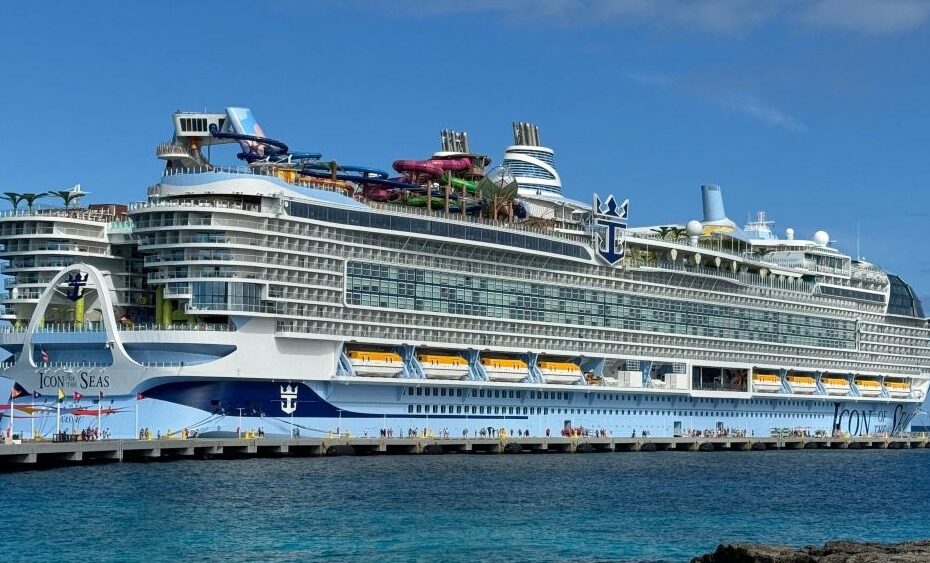
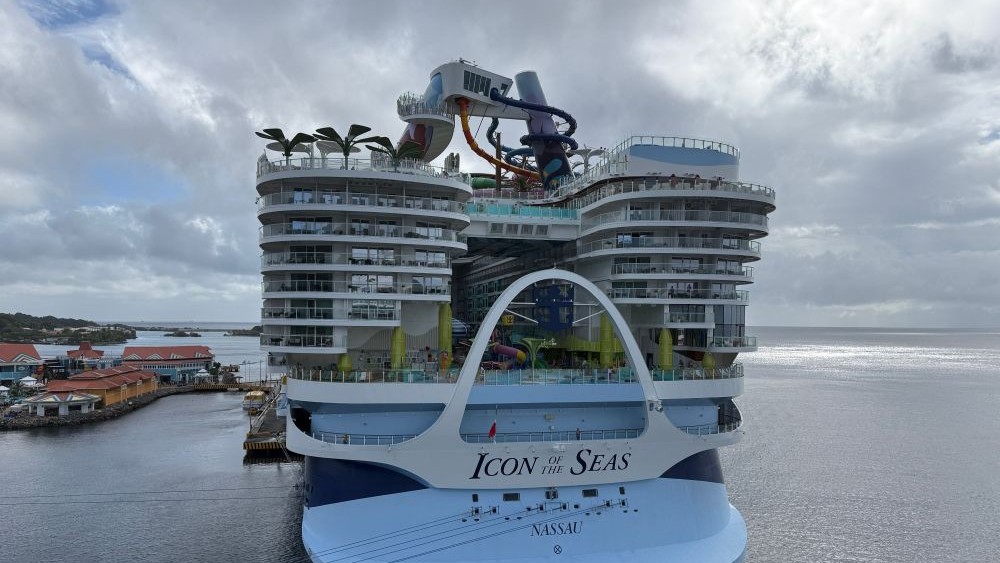
Icon of the Seas priced at $284 per night on the date we checked — clearly the most expensive ship among the 18 sailings we compared, well above even Royal Caribbean’s own Oasis Class ships, which themselves ran $190–206 across three separate sailings. Icon Class is genuinely in its own tier, at least based on what we found.
An Unexpected Match: MSC World Class and Royal Caribbean Oasis Class
Here’s a pattern that wouldn’t show up without checking real numbers: MSC’s newest World Class ($172–175 per night) and Royal Caribbean’s well-established Oasis Class ($190–206 per night) land in almost the same price bracket, despite being different generations from different lines. Both sit clearly above the broad middle band where most other classes cluster, and clearly below Icon Class at the very top.
In Our Sample, Carnival Stayed the Most Consistent Line to Line
Across six Carnival ships spanning its oldest class (Fantasy) to its newest (Excel), prices moved in a narrow band — never far from where they started. Whether you book the smallest, oldest ship in the fleet or the newest with a roller coaster on board, your nightly rate barely changes in this sample. Royal Caribbean and MSC both showed a much wider spread between their cheapest and most expensive classes on the dates we checked.
A Seasonal Wrinkle: Not Every Ship Sails the Caribbean Year-Round
Two of the Royal Caribbean prices above come from outside July: Adventure of the Seas sails the Caribbean mainly in the cooler months, and Freedom of the Seas’ clearest pricing we found was for December. Even within a single ship class, individual ships often rotate by season — Mariner of the Seas, a Voyager-class sister ship to Adventure, spends summer 2027 in the Mediterranean entirely. If you’re chasing a specific ship for a specific season, check where it’s actually deployed before you fall in love with an itinerary.
Ship Size and Entertainment, by Class
Newer usually means bigger and busier, but not always better for every trip — we’ve gone deeper into that trade-off, ship by ship, in our comparison of newer and older cruise ships.
| Class | Approx. size | Entertainment style |
|---|---|---|
| MSC Lirica | ~65,000 GT | Quieter, destination-focused, reaches smaller ports |
| Carnival Fantasy | ~72,000 GT | Classic Carnival — cozy, limited dining, waterpark basics |
| Royal Caribbean Vision | ~78,000 GT | Fewer onboard attractions, built for port-heavy itineraries |
| Carnival Dream | ~130,000 GT | Larger open areas, WaterWorks park, Serenity adult retreat |
| Royal Caribbean Voyager | ~138,000 GT | Indoor promenade, big-ship fun, strong value for the size |
| MSC Seaside EVO | ~170,000 GT | Water parks and big outdoor spaces — our own MSC Seashore sailing was firmly in this camp |
| Carnival Excel | ~180,000 GT | Bolt roller coaster, largest water parks in the Carnival fleet |
| MSC World | ~216,000 GT | Multiple onboard “districts,” MSC’s biggest offering to date |
| Royal Caribbean Oasis | ~225,000 GT | Themed “neighborhoods,” Central Park, AquaTheater |
| Royal Caribbean Icon | ~250,000 GT | Massive waterpark, most amenities in the entire fleet |
During our own MSC Seashore sailing, the entertainment scale genuinely surprised us. We hadn’t expected a water park on a mainstream cruise ship to feel like a real destination in itself — slides, a lazy river, a pool deck that stayed busy from breakfast to sunset. Activities ran most of the day, the atrium had something happening most evenings, and there was rarely a moment that felt quiet. That was a completely different rhythm from the smaller, quieter MSC Sinfonia we’d sailed before, where the appeal was the ports and the evening shows, not the ship itself. Same cruise line, same logo on the funnel — and yet it took us a day or two on each ship to recalibrate what kind of cruise we were actually on. That contrast is exactly what class explains and “MSC” as a brand name doesn’t.

Ports: Drive-to vs Fly-to — The Factor Most Guides Skip
This is where the three lines genuinely diverge, and it’s a real cost factor most price comparisons ignore entirely. Carnival has homeported ships at regional US ports — Galveston, New Orleans, Tampa, Mobile, Charleston, Norfolk, Baltimore — for over two decades, longer and more widely than any other major line. For huge swaths of the US population, that means driving to the ship instead of buying a flight.
MSC is the newcomer here — it only arrived at Galveston in November 2025, and several of its best prices in our own research came from La Romana, Dominican Republic, which requires flying for virtually all US travellers. Royal Caribbean sits in between: present at some regional ports like Galveston and Port Canaveral, but with a larger share of its fleet concentrated in Florida and international routes.
The practical impact: if you live in Texas, Louisiana, or the central US, a Carnival cruise from Galveston or New Orleans can save a family of four several hundred dollars in airfare alone compared with flying to Miami — savings that don’t show up in any per-night price comparison.
Average Price by Line
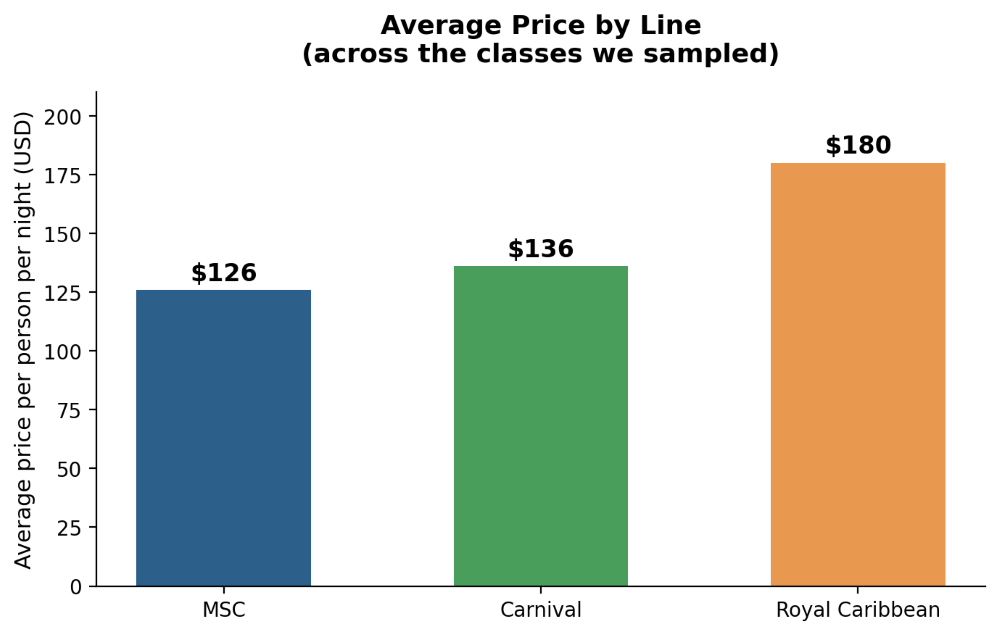
This averages every class we sampled for each line, so it smooths over the wide internal spread each line actually has — Royal Caribbean’s $180 average, for instance, blends a $116 Freedom Class sailing with a $284 Icon Class one. The full table above tells the more useful story; this chart is just the shape of it at a glance.
Pros and Cons, Line by Line
| Line | Pros | Cons |
|---|---|---|
| Carnival | Most consistent pricing across all classes; strongest drive-to-port access in the US; big-ship fun without a big-ship price | Fewer premium/luxury options at the top end; older ships show their age more than some competitors |
| Royal Caribbean | Widest range from budget to ultra-premium; Oasis and Icon Classes deliver the most amenities in the industry; strong family features across most classes | Icon Class carries a steep premium; regional port access more limited than Carnival |
| MSC | Its cheapest class (Lirica) was the lowest price we found anywhere; distinct European style and design; Seaside EVO offers big-ship energy at a mid-range price | World Class carries a real premium; several of its best prices require flying rather than driving for US travellers |
So Which Should You Book?
Whichever way you’re framing the question — Carnival vs Royal Caribbean prices, MSC vs Royal Caribbean, or simply which is the cheapest cruise line overall — the honest answer is that it depends on the specific ship, not just the brand. Budget is the absolute priority and you’re willing to fly: MSC’s Lirica Class ships were the cheapest we found anywhere in this comparison. Budget matters but you’d rather drive than fly: Carnival, almost any class, without much price penalty for going bigger. You want the widest possible range to choose from, from affordable to the most amenity-packed ship at sea: Royal Caribbean. You specifically want MSC’s newest ships or Royal Caribbean’s Oasis-style scale: expect to pay a real premium for either.

FAQ: Cruise Ship Class Prices
Which cruise line has the cheapest ships overall?
In our sample of 18 real prices, MSC’s Lirica Class (MSC Opera) was the single cheapest option, at $89–98 per person per night. For the most consistent value across an entire fleet, Carnival’s narrow pricing band from oldest to newest class makes it the more predictable budget choice.
Is MSC more expensive than Carnival?
It depends entirely on the class. MSC’s Lirica Class was the cheapest ship in our whole comparison, and its Seaside-generation ships priced competitively with Carnival too. But MSC’s newest World Class priced noticeably higher than any Carnival ship we checked.
Is Royal Caribbean’s Icon Class worth the price?
It depends what you’re after. Icon of the Seas priced well above every other ship in our comparison, including Royal Caribbean’s own Oasis Class — but it also carries the most amenities and newest features in the entire industry. If maximum scale and the newest technology matter most, the premium buys something genuinely different; if not, Oasis Class delivers most of the big-ship experience for meaningfully less.
Can you drive to a cruise instead of flying?
Yes, depending on the line and your location. Carnival has the strongest presence at regional US ports like Galveston, New Orleans, and Tampa. MSC and Royal Caribbean concentrate more heavily on Miami and international ports — including MSC’s cheapest sailings we found, from La Romana — which usually means flying.
What I’d Choose, Based on This Research
If I were booking today with this data in front of me: for a straightforward, budget-friendly week where I wanted to know roughly what I’d pay no matter which specific ship I ended up on, I’d lean Carnival. For a bigger splurge — the kind of trip where the ship itself is half the point — Royal Caribbean’s Oasis Class looks like the sweet spot: most of Icon Class’s scale, without Icon’s steepest premium. And based purely on what these numbers show, MSC’s older Lirica and Seaside-generation ships are hard to argue with on price, if flying to a non-US port doesn’t bother you.
That said, I want to be upfront: we’ve sailed MSC ourselves, but not Carnival or Royal Caribbean — so this is a research-based lean, not a firsthand recommendation for those two lines. The moment that changes, we’ll update this with what we actually find on board.
The Bottom Line
Ship class tells you the experience; cruise line tells you the pricing philosophy. All three lines can deliver genuine value — the right choice depends on whether you want the lowest possible price (MSC’s older classes), the easiest drive-to-port access (Carnival), or the widest range of scale to choose from (Royal Caribbean).
After sailing MSC Seashore ourselves, one thing stood out clearly: the class name told us more about what to expect on board than the cruise line’s marketing ever did — and eighteen real prices later, that held true across every line we checked.
Featured photo from Pexels